





Why Sleepovers Matter: The Surprising Benefits for Children's Friendships, Confidence & Independence
June 12, 2026


One minute they are asking for bedtime stories - the next, someone is asking:
“Can my friend stay over?”
For many families, sleepovers become an exciting milestone in childhood. Whether it is cousins visiting during the holidays, birthday celebrations or first independent sleepovers with school friends, these moments often become cherished childhood memories.
But beyond the excitement of staying up late and sleeping in sleeping bags, sleepovers can offer important developmental benefits too.
From building confidence and independence to strengthening friendships, sleepovers can play a meaningful role in helping children grow socially and emotionally.
In this guide, we explore some of the surprising benefits of sleepovers - and how parents can help children feel comfortable and prepared for the experience.
1. Sleepovers Can Help Strengthen Friendships
Friendships are an important part of childhood development.
Sleepovers often give children an opportunity to spend uninterrupted time together away from school routines, screens and structured activities. Whether they are chatting before bed, playing games or sharing experiences, these moments can help deepen friendships and create stronger emotional bonds.
For many children, shared experiences help build feelings of trust, belonging and connection - all important foundations for healthy friendships.
Even simple moments, like choosing a film together or giggling before bedtime, can become memories children talk about for years.
️2. They Can Build Confidence and Independence
For some children, a first sleepover can feel like a big step.
Spending time away from familiar routines - even for one night - can gently help children build confidence, adaptability and independence.
Small experiences such as packing their overnight bag, following another household’s bedtime routine or feeling comfortable in a different environment can all help children develop resilience over time.
Of course, every child is different.
Some children are ready for sleepovers earlier, while others may prefer waiting until they feel more confident. There is no “right age” - readiness often depends more on personality, confidence and individual comfort levels.
For younger children especially, starting with a sleepover at a grandparent’s house or with close family friends can help ease the transition.
For families preparing for early sleep milestones, our guide to moving from cot to first bed explores gentle ways to help children feel secure and confident as independence grows.
3. Sleepovers Help Create Childhood Memories
Many adults still remember their favourite childhood sleepovers.
Movie nights. Midnight snacks. Secret jokes. Staying up later than usual.
These experiences often become part of the memories children carry into adulthood. test
Sleepovers can help children feel included, strengthen social confidence and create moments of joy that support emotional wellbeing.
In a world where many families worry about screen time and social connection, real-life shared experiences with friends can feel especially valuable.
4. Not Every Child Is Ready at the Same Time
Every child approaches new experiences differently.
While some children feel excited about their first sleepover, others may need a little more time to feel comfortable sleeping away from home - and that is completely normal.
Some children are naturally confident and independent, while others feel more comfortable sleeping at home for longer.
Parents can help by:
- Talking through what to expect
- Starting with shorter visits
- Practising bedtime routines away from home
- Encouraging confidence without pressure
- Respecting when a child is not quite ready yet
A positive first experience often matters far more than rushing the milestone.
5. Making Sleepovers Easier for Everyone
Once sleepovers become part of family life, having practical sleeping arrangements can make hosting feel much easier.
Flexible furniture solutions can help children welcome friends and family comfortably without needing a permanent guest room.
Depending on space and age, practical options might include:
- Beds with trundles for occasional guests
- Detachable bunk beds that adapt as needs change
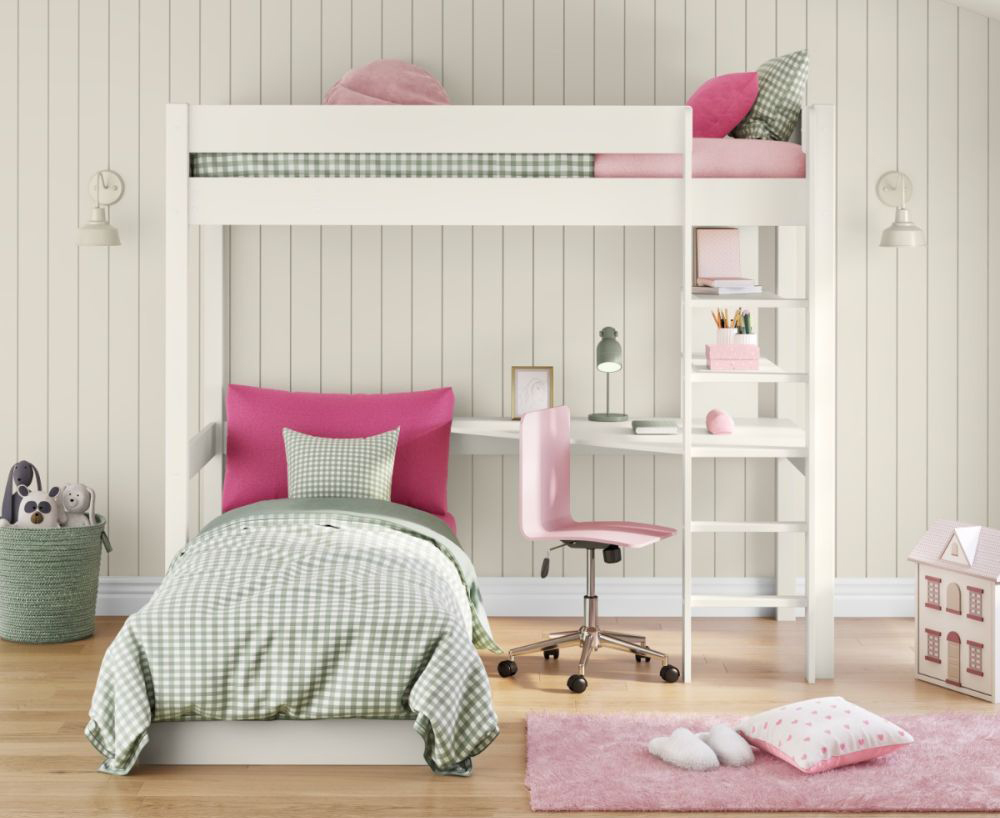
- High sleepers with chair beds underneath for flexible sleep space
- Day beds or guest-friendly setups for growing children and teens
The goal is not simply fitting in an extra bed, but creating a room that works comfortably for everyday family life as children grow.
If sleepovers are becoming more frequent, you may also enjoy our guide to The Best Sleepover Beds – Buying Guide, which explores practical options for growing families.
6. Simple Ways to Create a Cosy Sleepover Setup
Creating a welcoming space does not need to be complicated.
A few thoughtful touches can help children feel comfortable and excited for the experience:
- Fresh bedding and extra pillows
- A nightlight for reassurance
- Water by the bed
- Space for overnight bags
- A favourite book or calming bedtime routine
Sometimes, feeling prepared can make all the difference - for both children and parents.
Final Thoughts
Sleepovers are about much more than simply staying up late.
They can help children strengthen friendships, build independence and create meaningful childhood memories that stay with them for years to come.
And while every child reaches this stage at their own pace, creating a comfortable and welcoming sleep space can help make the experience feel easier for everyone.
Because sometimes, the smallest moments become the biggest memories.
If you are planning a bedroom designed to adapt as your child grows, you may also enjoy our guide to creating a bedroom that grows with them and lasts, packed with practical ideas for long-term bedroom planning.
We're always happy to help, and you are welcome to contact us for advice on how to make the most of your child's bedroom.