






How to Create a Child's Bedroom That Grows With Them and Lasts
May 03, 2026
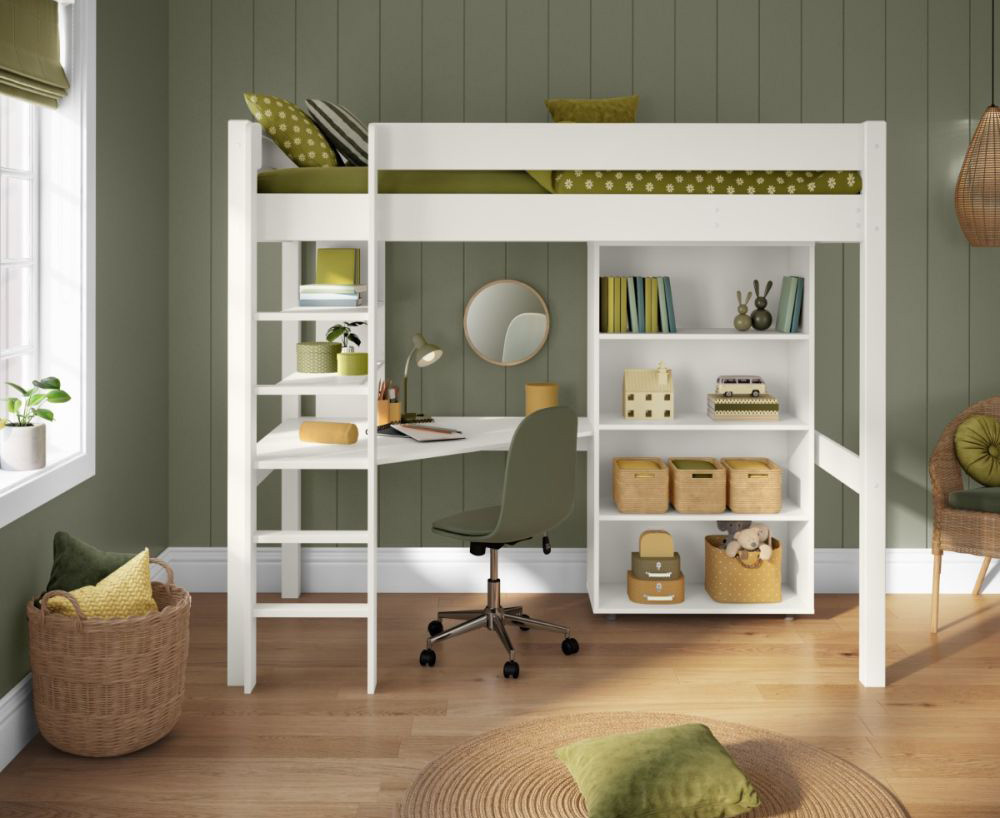
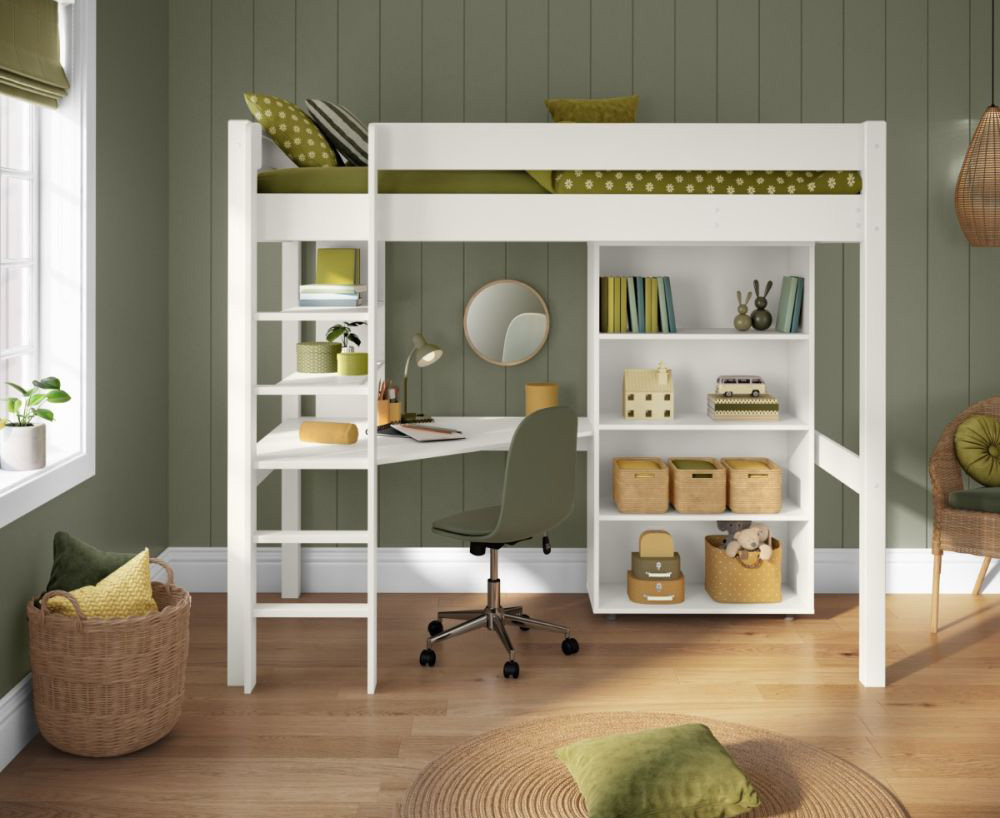
A child's bedroom is so much more than a place to sleep. It's where bedtime stories are shared, imaginations come to life, homework gets done, friendships develop, and independence gradually grows.
As children grow, their bedrooms need to evolve with them. The room that works perfectly for a toddler may look very different from the space needed by a school-age child or teenager. Their interests change, their routines develop and the way they use their space can transform surprisingly quickly.
For many families, completely redesigning a child's bedroom every few years isn't practical. The good news is that thoughtful planning, flexible layouts and well-designed children's bedroom furniture can help create a space that continues to work beautifully through every stage of childhood.
Whether you're planning a new bedroom from scratch, looking for children's bedroom ideas or simply trying to make better use of the space you already have, these ideas can help you create a room that works for your child today and continues to support them as they grow.
How to Plan a Child's Bedroom That Grows With Them
The best children's bedrooms are designed with both the present and the future in mind. This doesn't mean trying to predict exactly what your child will be interested in five or ten years from now. Instead, it means creating a flexible foundation that can adapt as their needs, personality and routines change.
How Children's Bedroom Needs Change as They Grow
A young child's bedroom is often centred around sleep, play and imagination. As they start school, the room may also need to accommodate books, homework, hobbies and growing collections of belongings.
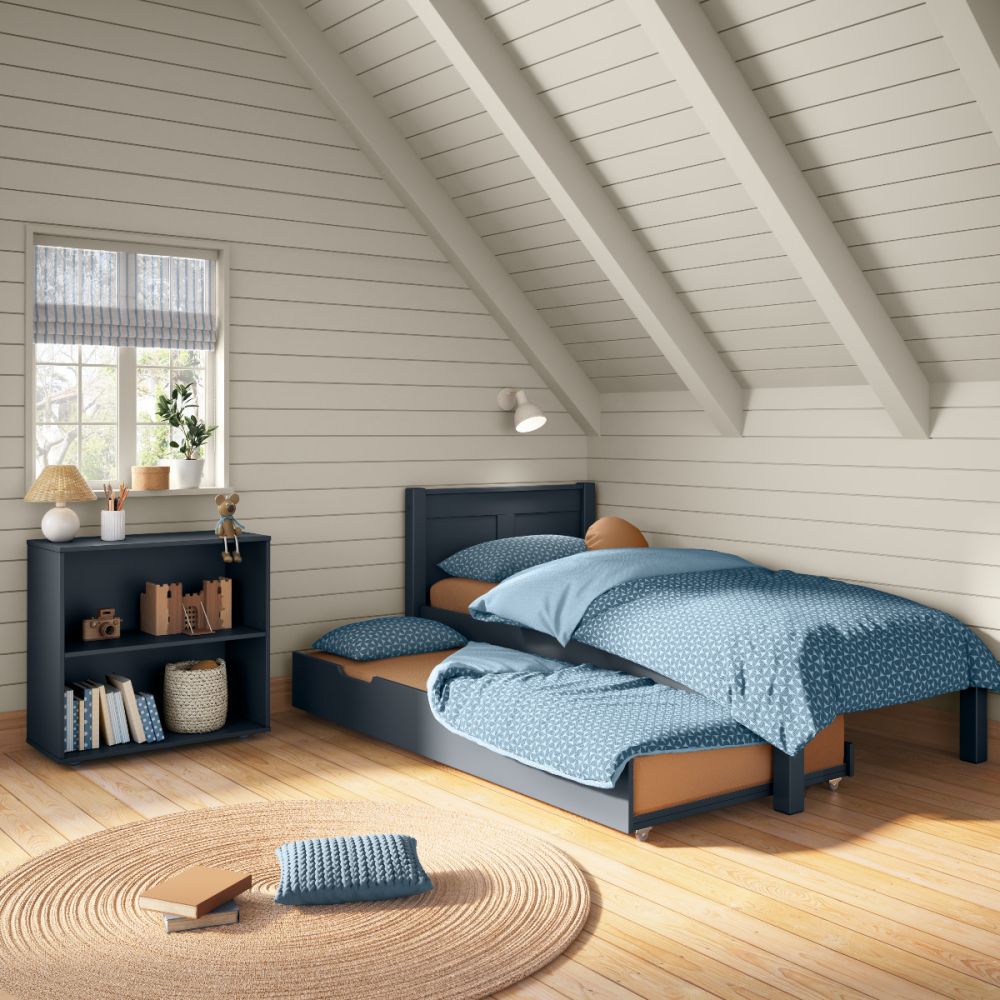
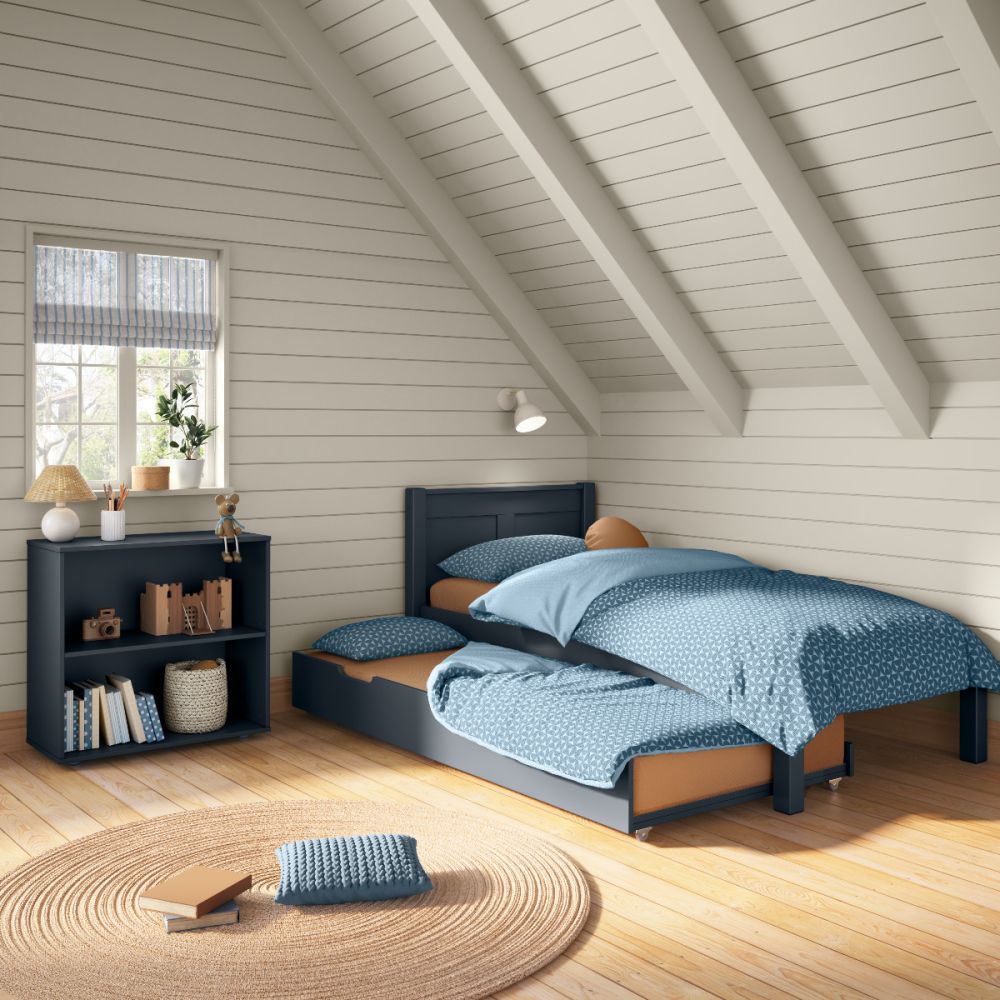
Later, children may want more privacy, more independence and a greater say in how their room looks and feels. Friends may come over for sleepovers, and a bunk bed or additional sleeping space such as beds with trundles can make it easier to accommodate friends, while hobbies may take up more space as children grow.
A flexible bedroom should be able to adapt to these changing needs.
Rather than choosing every element of the room for one specific age or stage, think about creating a space that can gradually evolve. A timeless bed, practical storage and a flexible layout can provide a foundation that works for years, while smaller details such as bedding, artwork, accessories and colours can be updated as your child grows.
Why Planning Ahead Can Save Time and Money
It can be tempting to choose furniture based entirely on what your child needs right now. However, children grow quickly, and replacing large pieces of furniture every few years can become expensive.
Choosing quality furniture with a timeless design can be a more practical long-term approach. A well-designed bed or storage solution may continue to work as your child grows, while the overall feel of the room can be refreshed with relatively simple changes.
New bedding, artwork, lighting, rugs and accessories can completely change the personality of a bedroom without requiring a full redesign.
Planning ahead can also help you make better use of the available space. A carefully considered layout can provide room for sleep, storage, study and play without making the bedroom feel overcrowded. This can be particularly important when siblings share a bedroom, as each child may need space for sleep, storage and personal belongings.
If you're preparing for an important first step in your child's bedroom journey, our guide to moving from a cot to a first bed can also help you make the transition as smooth as possible.
How to Create a Flexible Bedroom Layout
A flexible layout can adapt as your child grows.
Before choosing furniture, think about how the room is likely to be used over time.
- Where will your child sleep?
- Where will they keep their clothes, books and toys?
- Will they eventually need space for homework, hobbies or a desk?
It is also worth considering how much floor space your child needs for play and movement. A bedroom can quickly feel crowded when too many individual pieces of furniture are placed around the room. Multifunctional furniture can help make the most of the available space by combining several uses in one thoughtfully designed solution.
Stompa Expert Tip
When planning a child's bedroom, try to think beyond what they need today. A flexible layout and timeless furniture can make it much easier to adapt the room as their routines, interests and independence develop.
️How to Choose Children's Bedroom Furniture That Lasts
Furniture is one of the biggest investments you make in a child's bedroom, so choosing pieces that are well-designed, durable and adaptable can make a significant difference over time.
The right furniture should work for your family now while giving you flexibility for the future.
How to Choose a Bed That Grows With Your Child
The bed is usually the most important piece of furniture in a child's bedroom, but choosing the right one involves more than simply considering its size.
Think about your child's age, the available space and how the room may need to develop over the next few years. A younger child may benefit from a lower bed that makes getting in and out easy, while older children may appreciate additional features such as storage, a desk or space for friends to stay.
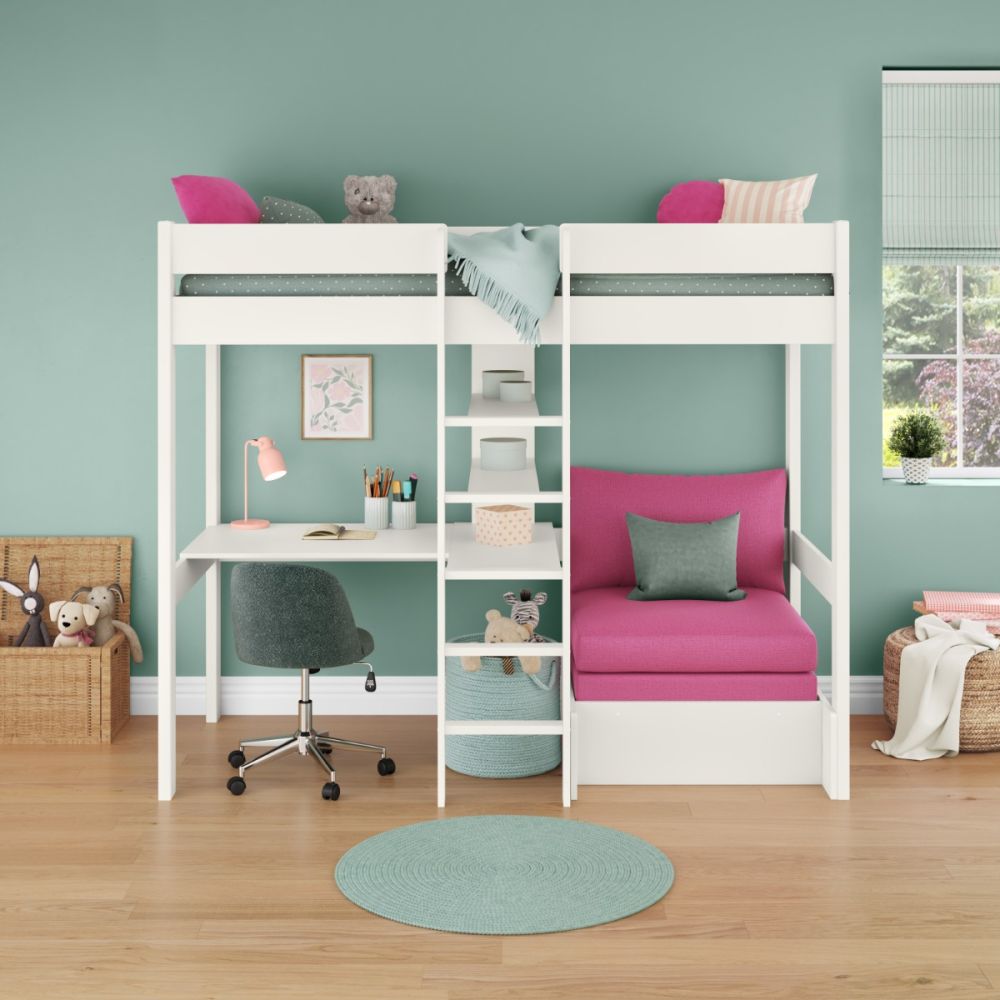
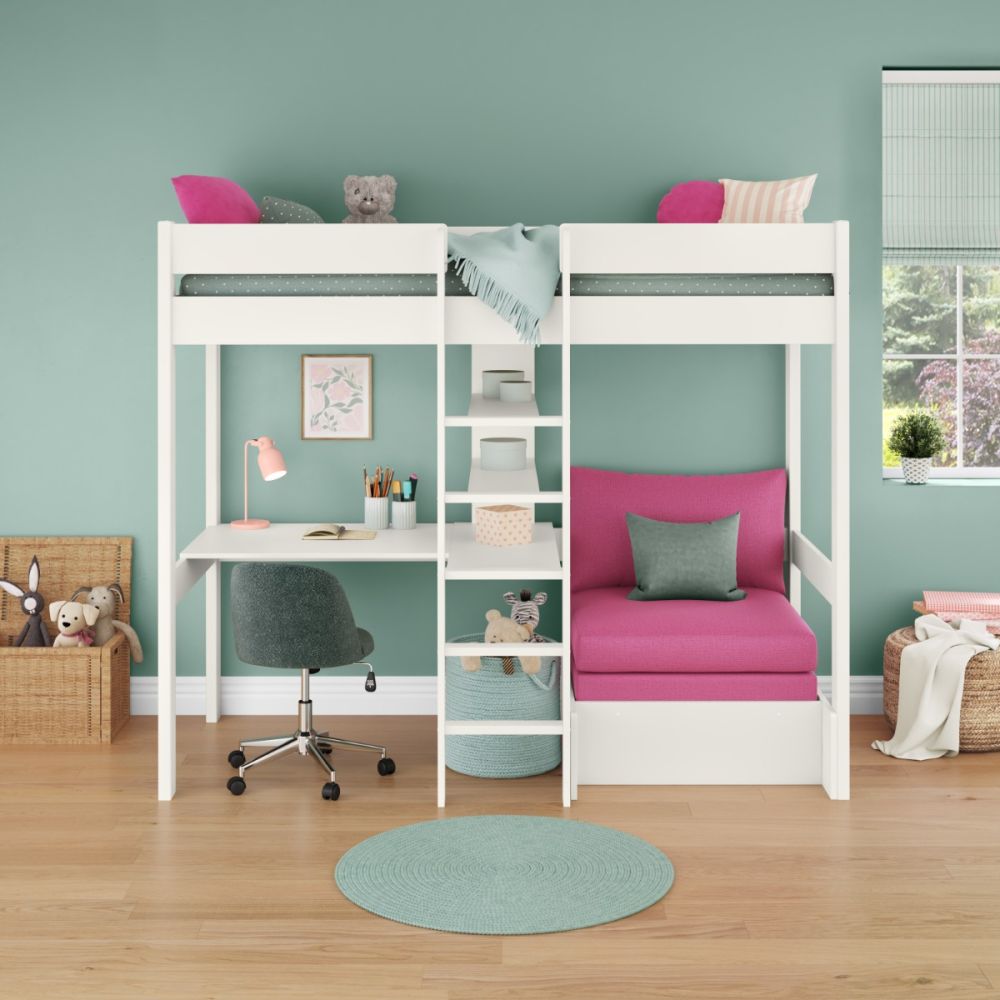
For smaller bedrooms, a mid sleeper or high sleeper can make better use of vertical space by combining sleeping with storage, study or play areas underneath.
The most important consideration is that the bed should be appropriate for your child's age and stage of development, while also providing a safe and comfortable place to sleep.
Choose Timeless Children's Bedroom Furniture
Children's tastes can change quickly. The colour or character they love today may not be quite so appealing a few years from now.
Choosing timeless furniture creates a more flexible foundation for the room. Simple shapes, quality materials and versatile colours can continue to work as your child's personality and interests develop.
This doesn't mean that a child's bedroom needs to be plain or lacking in personality. Instead, it allows the room to evolve through the details that are easier to change.
Bedding, cushions, wall art, rugs and accessories can all be updated over time, helping the bedroom feel fresh without replacing the main furniture.
Why Quality Furniture Is a Long-Term Investment
Children's furniture needs to cope with everyday family life. Beds are climbed into, storage is used every day and desks become places for homework, creativity and hobbies.
Quality construction and durable materials can make a real difference to how furniture performs over time.
Investing in well-designed furniture can also help reduce the need for frequent replacements. Rather than choosing a piece that is designed for one particular age, consider whether it can continue to meet your child's needs as they grow.
Good design should combine practicality, durability and flexibility.
Children's Bedroom Storage Ideas
Storage is one of the biggest challenges in any child's bedroom.
Children accumulate books, clothes, toys, sports equipment, hobbies and personal belongings as they grow. Without a thoughtful storage solution, even a well-designed bedroom can quickly feel cluttered.
The key is to make storage easy to use and appropriate for your child's age.
How to Create More Storage in a Child's Bedroom
Start by considering what needs to be stored and how often it is used.
Everyday items should be easy for your child to reach and put away. Less frequently used belongings can be stored higher up or in less accessible areas.
A combination of different storage solutions can work well, including:
- Drawers for clothing and smaller items
- Bookcases for books and displays
- Wardrobes for clothing
- Shelves for everyday essentials
- Under-bed storage for items that are used less frequently
The most effective storage is often the storage that is easy to use. If children can reach their belongings and understand where things belong, they are more likely to take part in keeping their room organised.
Use Vertical Space to Maximise Storage
When floor space is limited, look upwards.
Using the vertical space in a bedroom can help create more room for storage, study and play without taking up additional floor area.
Mid sleepers and high sleepers are examples of furniture that can make use of the space above the floor, creating opportunities for desks, storage, play areas or additional sleeping space underneath. Bunk beds with under-bed storage are ideal in a shared bedroom.
Tall bookcases and wardrobes can also make efficient use of wall space while keeping the floor clearer.
Choose Multifunctional Furniture
Multifunctional furniture can be particularly useful in smaller children's bedrooms.
Instead of needing separate pieces for sleeping, studying and storage, a carefully designed solution can combine several functions in one area.
This might include:
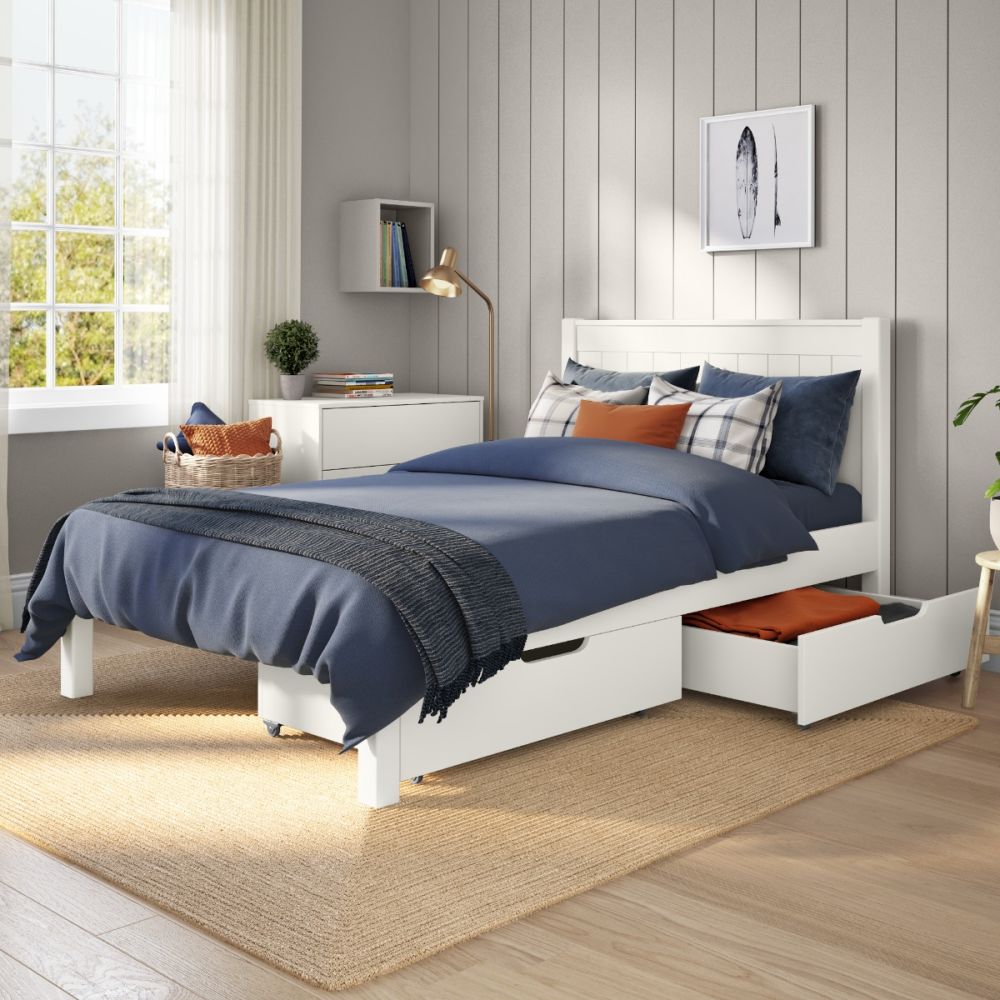
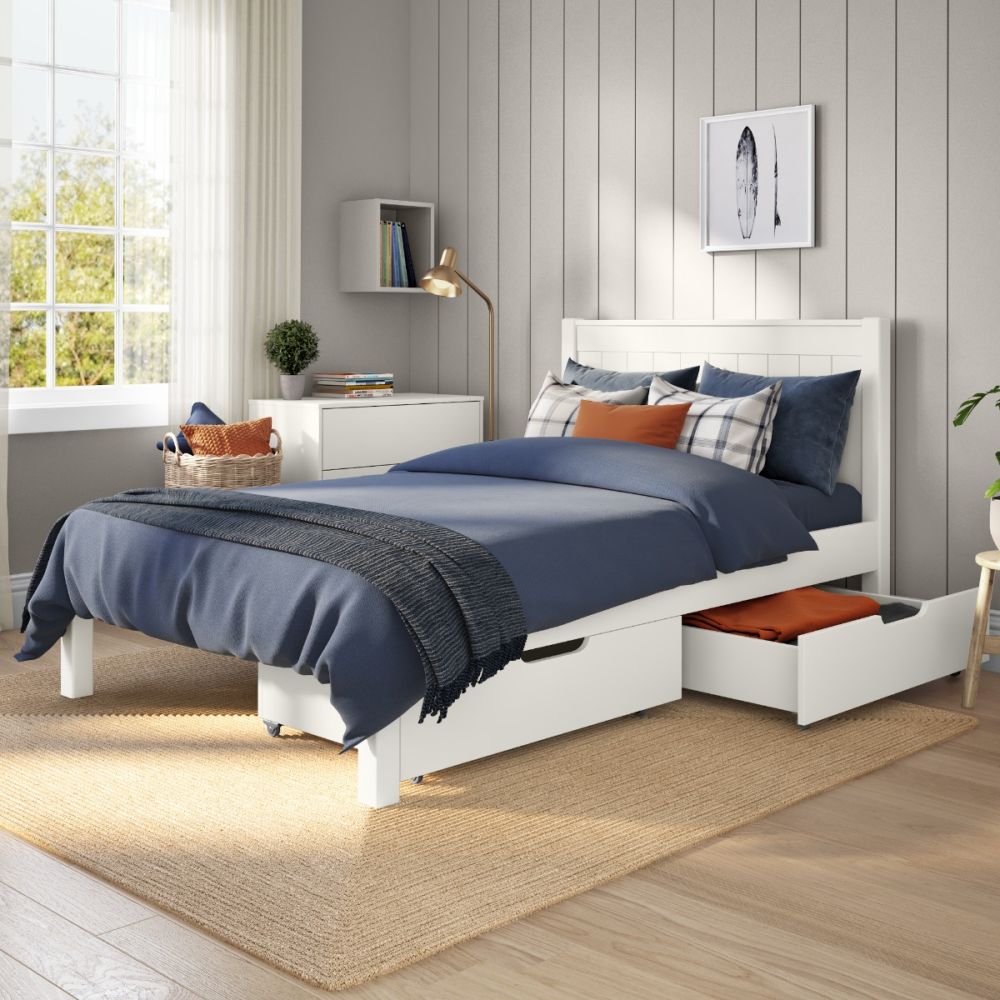
- A bed with integrated storage
- A bed with a desk
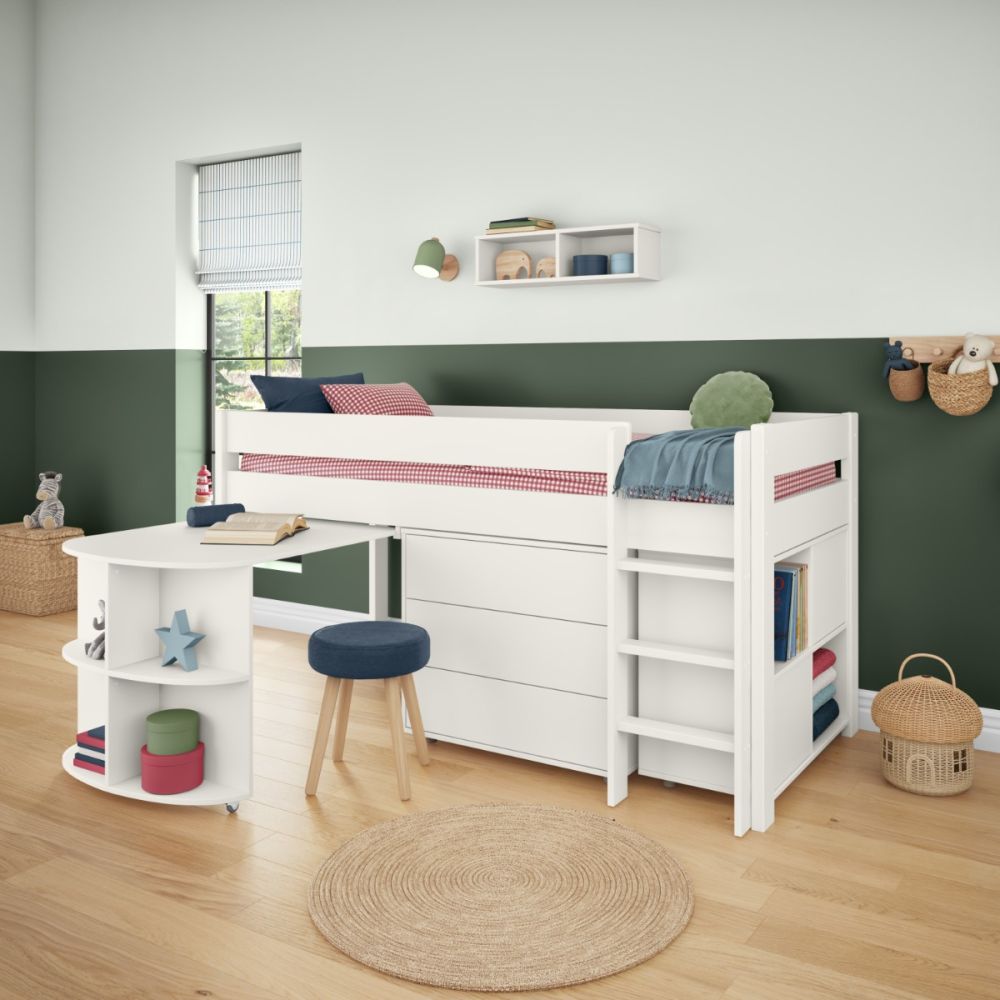
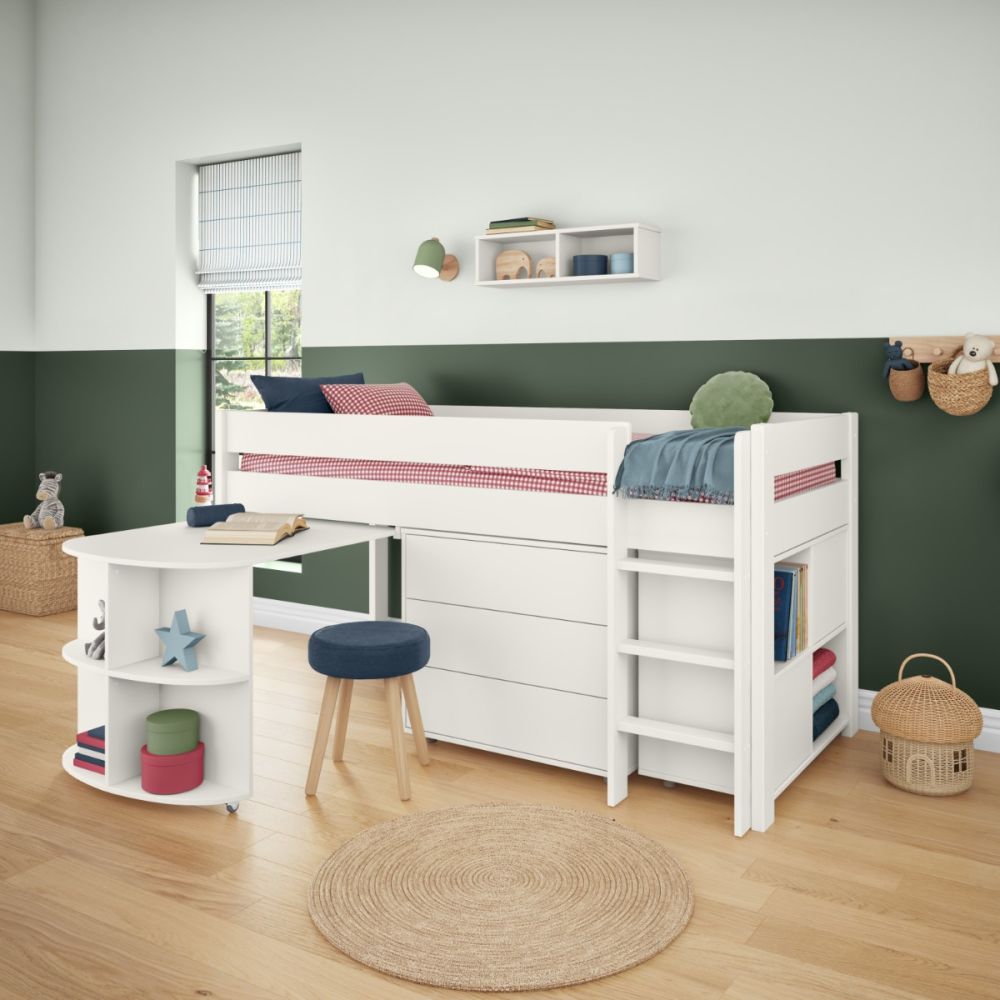
- A mid sleeper with space underneath for play or study
- A high sleeper that creates a separate area below
- Furniture that combines storage with display space
The benefit is not simply fitting more into a room. It is about making the available space work harder for your family.
Stompa Expert Tip
In a smaller bedroom, think upwards as well as outwards. Using vertical space can create valuable room for storage, study and play while keeping more floor space available for everyday activities.
How to Create a Study Space in a Child's Bedroom
hiAs children begin school, their bedroom may gradually become a place for learning as well as sleeping and playing.
A dedicated study space can help create a clear distinction between schoolwork and relaxation, although the best solution will depend on your child's age and the available space.
When Should You Add a Desk to a Child's Bedroom?
There is no single age at which every child needs a desk.
Younger children may benefit from a small space for drawing, reading or creative activities, while older children are more likely to need a dedicated area for homework and school projects.
The important thing is to choose a solution that suits your child's current needs while allowing the space to develop over time.
A children's desk doesn't necessarily need to take up a large part of the room. In smaller bedrooms, a desk can be integrated into a multifunctional bed solution or positioned beneath a mid sleeper or high sleeper.
You can find more ideas in our guide to children's beds with integrated desks.
How to Create a Calm Homework Space
A good study area should be practical and comfortable.
Consider:
- A suitable desk height
- A comfortable chair
- Good lighting
- Enough space for books and equipment
- Storage for schoolwork and stationery
- A location with minimal distractions where possible
Keeping the area organised can also help make homework feel more manageable.
As children get older, their study needs may change. A small creative area may eventually need to accommodate books, a laptop, school equipment or larger projects.
A flexible approach allows the study space to develop alongside your child.
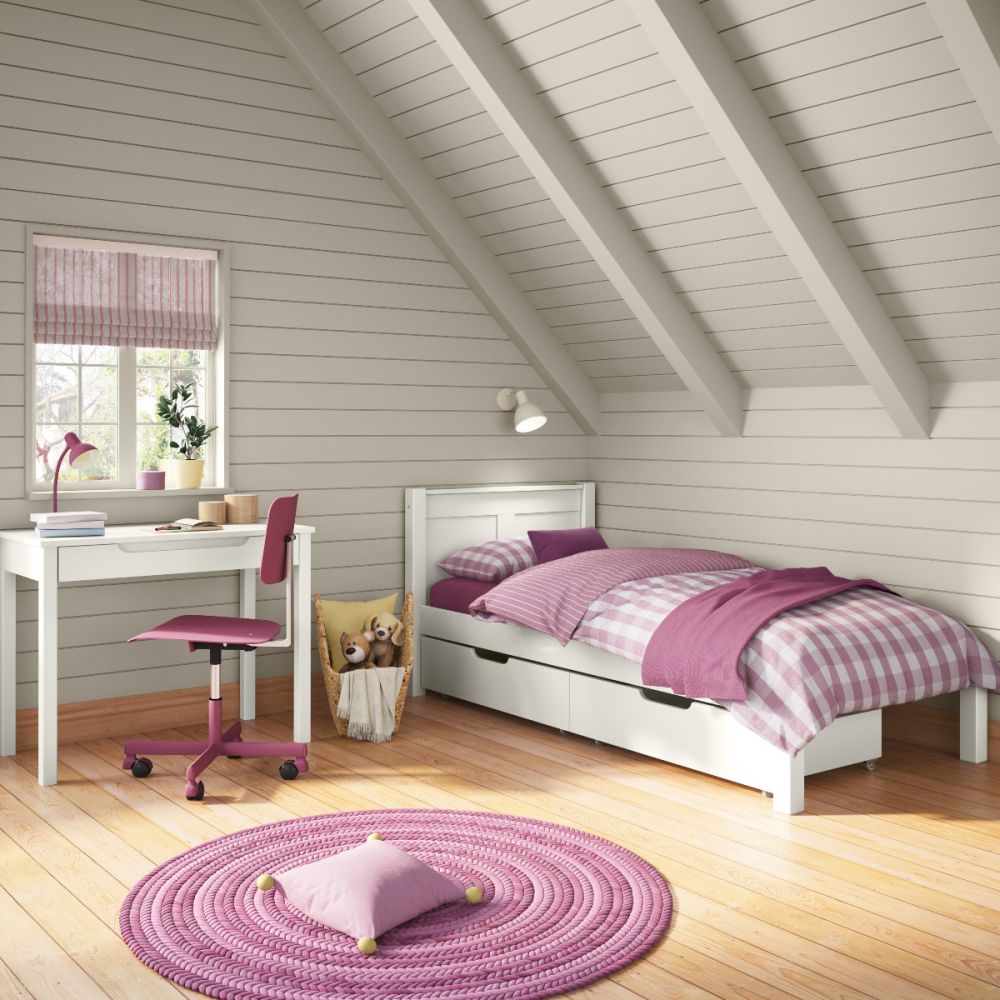
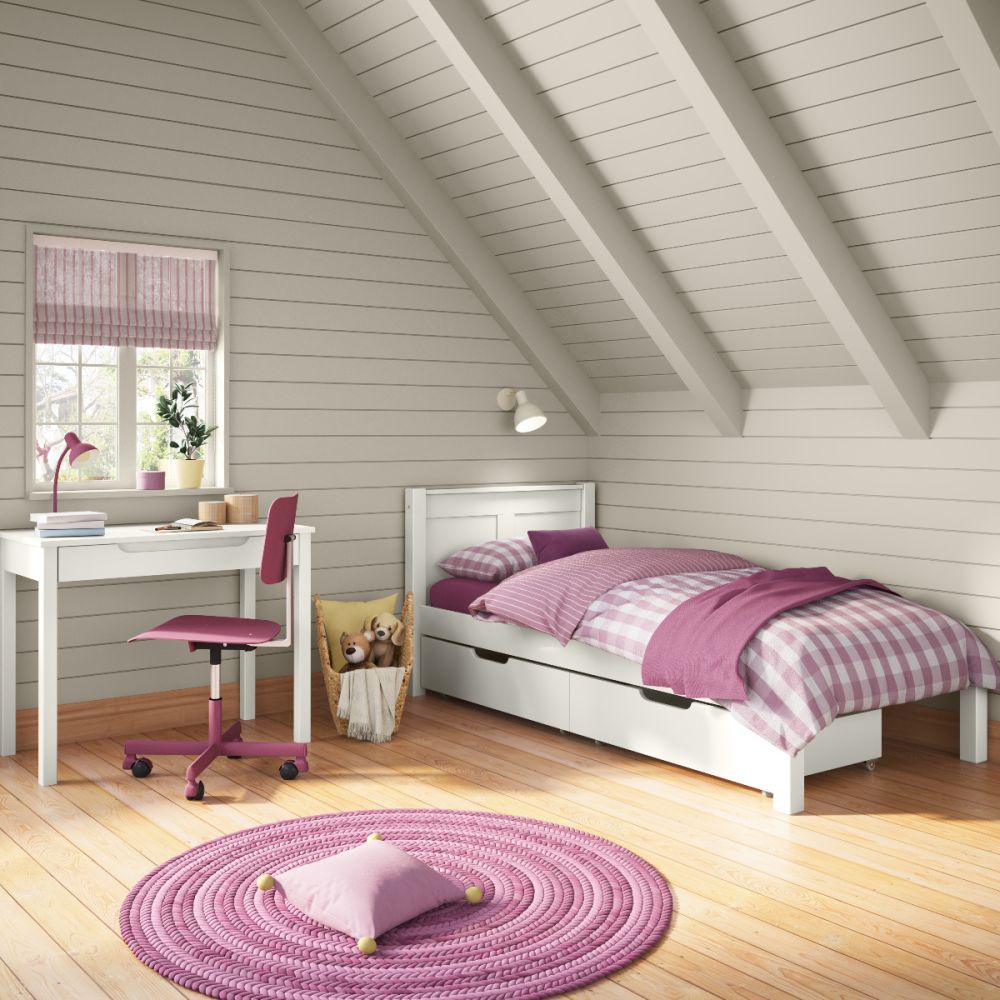
Space-Saving Bedroom Ideas for Children
Many children's bedrooms are smaller than parents would ideally like. However, a smaller room does not necessarily mean your child needs to miss out on storage, study space or areas for play.
The key is to think carefully about how every part of the room is being used.
How to Make the Most of a Small Child's Bedroom
Begin by considering the essential functions the room needs to provide.
Most children's bedrooms need to accommodate some combination of:
- Sleep
- Storage
- Study
- Play
- Relaxation
Instead of thinking about each function as requiring a separate piece of furniture, look for ways to combine them.
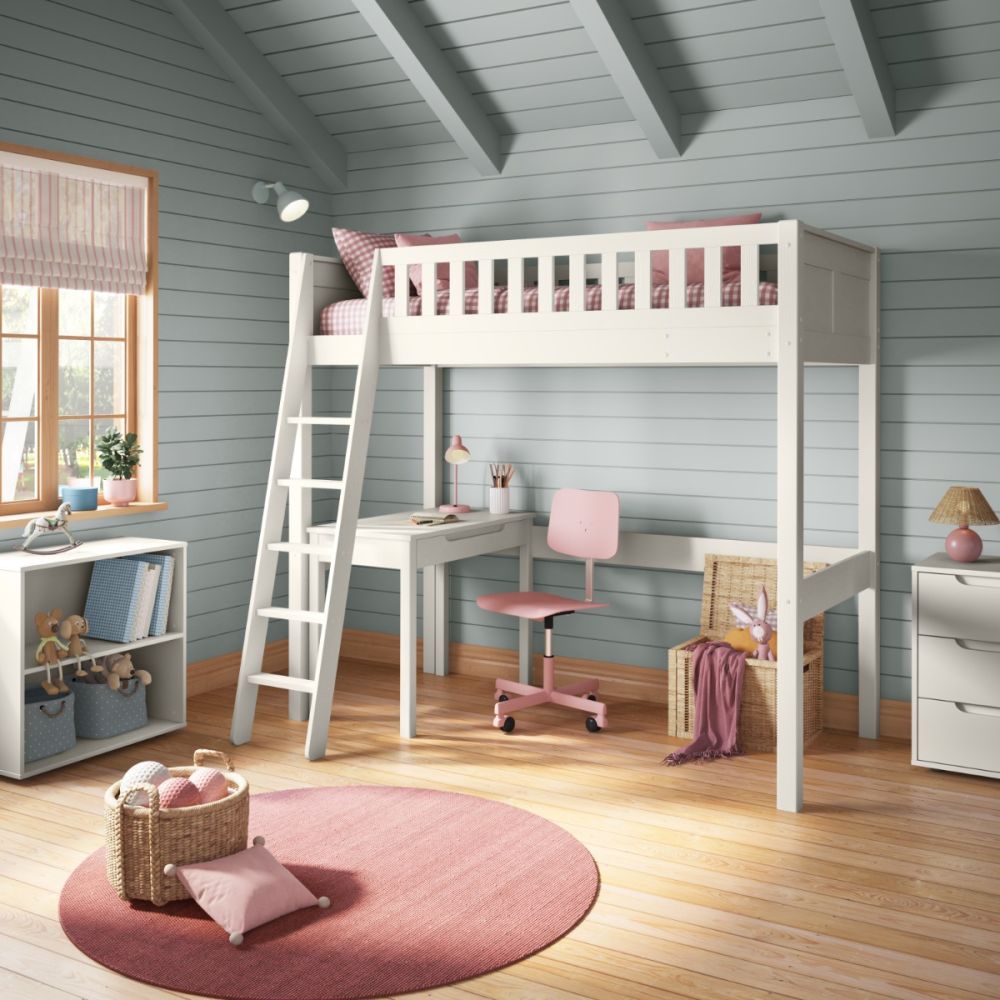
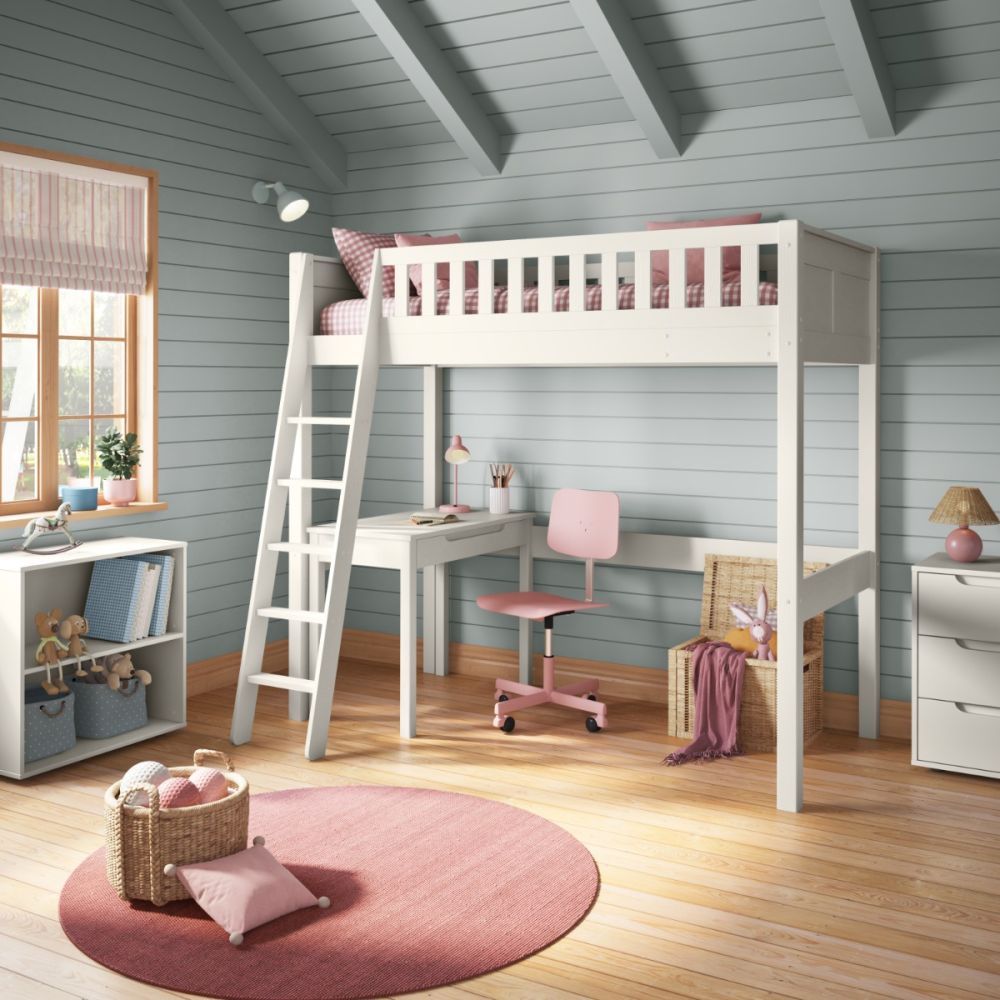
A bed with storage, a desk beneath a mid sleeper or a high sleeper with space below can help create multiple zones within the same footprint.
Why Mid Sleepers and High Sleepers Can Save Space
Mid sleepers and high sleepers can be particularly useful in smaller bedrooms because they make use of vertical space.
A mid sleeper can create room underneath for storage, play or a desk, while a high sleeper can offer even more space below for study, relaxation or additional storage.
The right choice depends on the age of the child, the height of the room and the functions the family needs the bedroom to provide.
For more information, our guide to maximising space with mid sleepers explores how these designs can help make better use of a smaller bedroom.
Why Scandinavian Children's Furniture Stands the Test of Time
Scandinavian design is often associated with simplicity, natural materials and clean lines. However, its appeal goes beyond appearance.
The principles behind Scandinavian design can work particularly well in children's bedrooms because they combine practicality with timeless style.
The Benefits of Simple, Timeless Design
Children's bedrooms can quickly become visually busy. Toys, books, artwork and personal belongings naturally bring colour and character to the room.
A simple furniture design can provide a calm foundation around which your child's personality can develop.
Timeless furniture is also less likely to feel dated as your child grows. A bed or wardrobe that works for a younger child can continue to feel appropriate as they get older, particularly when the surrounding décor evolves.
Refresh the Room Without Replacing the Furniture
One of the simplest ways to update a child's bedroom is to focus on the elements that are easy to change.
Consider updating:
- Bedding
- Cushions
- Curtains
- Rugs
- Wall art
- Lighting
- Decorative accessories
These details can completely change the feel of a room without requiring the main furniture to be replaced.
A younger child might enjoy bright colours and playful accessories, while an older child may prefer a more understated style. A timeless furniture foundation allows both to work.
Designing for Every Stage of Childhood
A bedroom should not need to look exactly the same throughout childhood.
The most successful rooms evolve.
A toddler may need a safe and comforting space. A primary school child may need room for books, homework and hobbies. An older child may value independence, privacy and the ability to express their own personality.
Thoughtful design gives the room enough flexibility to change with them.
Stompa Expert Tip
A timeless bedroom does not mean a boring bedroom. A simple, well-designed foundation gives children the freedom to express their personality through the details that can change as they grow.
Creating a Bedroom Your Child Will Love for Years to Come
The best children's bedrooms are not necessarily the ones that follow the latest trend or contain the most furniture.
They are the rooms that work for the child who lives in them.
A thoughtfully planned bedroom can provide:
- A comfortable place to sleep
- Space to read and learn
- Room for hobbies and creativity
- Storage that helps everyday life feel more organised
- Space to spend time with friends
- Opportunities to develop independence
- The freedom to express personality
Creating a bedroom that grows with your child is ultimately about looking beyond the furniture itself.
It is about creating a space that can adapt as childhood changes.
The bed may be where the day begins and ends, but the rest of the room can become so much more. It can be a place for bedtime stories, imaginative play, school projects, quiet moments, sleepovers and the countless everyday experiences that make up childhood.
At Stompa, we believe children's furniture should be thoughtfully designed around the way families really live. From space-saving beds and multifunctional solutions to practical storage and timeless furniture, every element should help create a bedroom that works beautifully today and continues to support your child as they grow.
Because a child's bedroom is more than just a place to sleep.
It is where childhood happens.
Frequently Asked Questions
How do you design a child's bedroom that grows with them?
Start with a flexible layout and choose timeless, durable furniture that can adapt as your child's needs change. Consider how the room may need to accommodate sleep, storage, study, play and relaxation at different stages of childhood. Furniture that serves multiple purposes can also help make the space more adaptable.
What furniture should every child's bedroom have?
The essential furniture will depend on your child's age and the size of the room, but most children's bedrooms need a suitable bed, storage for clothing and belongings, and enough space for everyday activities. As children grow, a desk or dedicated study area may also become important.
How can you maximise space in a small child's bedroom?
Use the available space thoughtfully by considering multifunctional furniture and vertical storage. Mid sleepers and high sleepers can create additional space for desks, storage, play or relaxation underneath the bed, while tall storage furniture can make better use of wall space.
How can children's bedroom furniture last longer?
Choose well-designed, durable furniture with a timeless style that can adapt as your child grows. Updating accessories such as bedding, artwork and lighting can refresh the room over time without needing to replace the main furniture.
How can a child's bedroom support independence?
A bedroom can support independence by making everyday belongings accessible and easy to organise. Child-friendly storage, a layout that allows children to move around comfortably and furniture that suits their age and abilities can all help children gradually take more responsibility for their own space.
Final Thoughts
A child's bedroom should be able to change as they do.
With thoughtful planning, timeless design and furniture that makes clever use of space, you can create a room that supports every stage of childhood — from sleep and play to study, independence and growing friendships.
Because at Stompa, we believe a child's bedroom should be more than just a bed.
We're always happy to help, and you are welcome to contact us to help you make the most of your child's bedroom. Alternatively, explore Stompa’s range of thoughtfully designed children’s beds and furniture, created to support growing families for years to come.