






Back to School Bedroom Ideas: How to Create a Space to Sleep, Study & Store
September 03, 2026
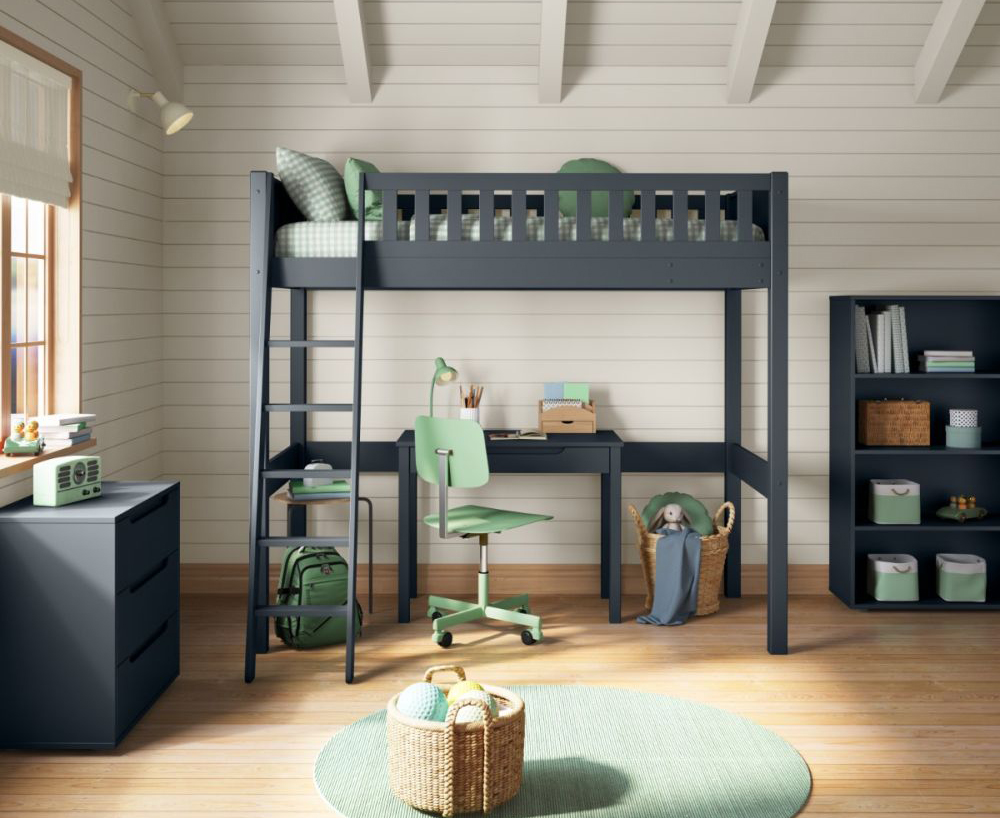
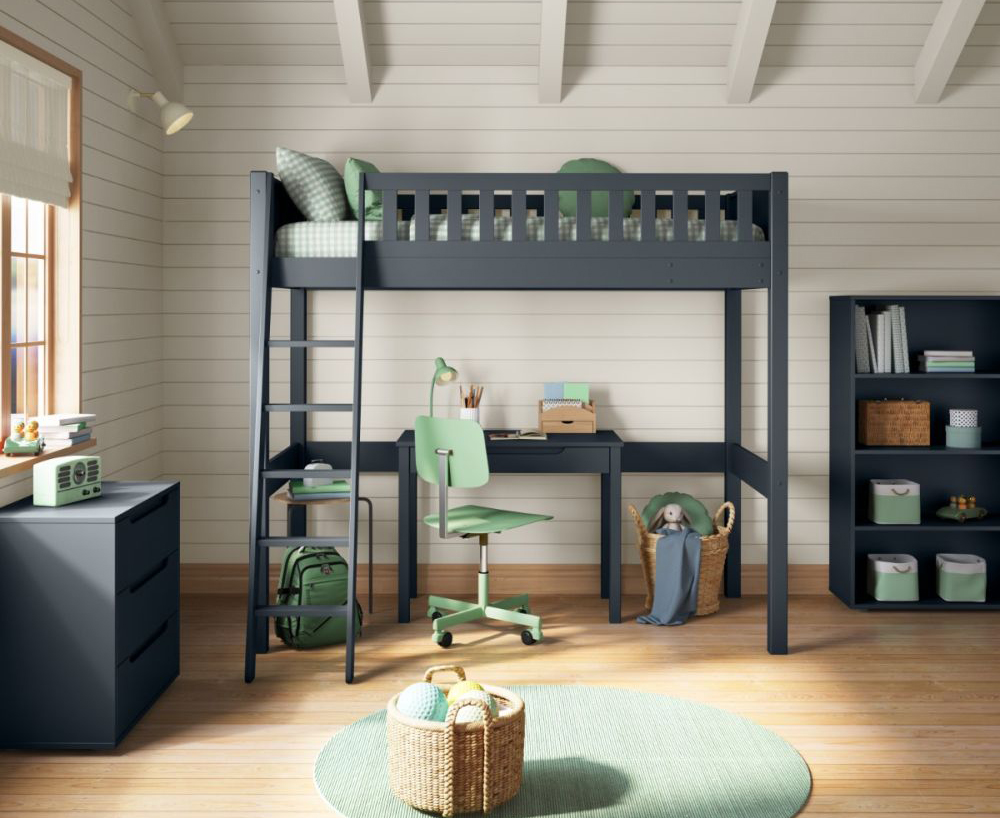
September brings a fresh start. New school shoes, new routines, new books – and often a fresh look at your child’s bedroom too.
As children head back to school, their bedroom needs to work a little harder. It needs to be a comfortable place to sleep, a practical space for homework and hobbies, and somewhere to keep clothes, books, toys and school essentials organised.
The good news is that creating a more functional children’s bedroom doesn’t necessarily mean having a bigger room. With thoughtful planning and the right furniture, even a compact space can work harder.
From space-saving kids’ bedroom ideas and dedicated study areas to clever storage and flexible beds, here are some simple ways to create a bedroom that works for school days, weekends and everything in between.
How to Prepare Your Child’s Bedroom for Back to School
The start of a new school year is a natural opportunity to rethink how your child’s bedroom is being used.
Ask yourself three simple questions:
- Does the room provide a comfortable place to sleep?
- Is there somewhere suitable for homework, reading or creative activities?
- Does it have enough storage to keep everyday clutter under control?
If the answer to any of these is no, you don't necessarily need to redesign the whole room. Often, changing how furniture is arranged or choosing multifunctional furniture pieces can make a significant difference.
Create a Dedicated Study Space for Children
Having a defined place for homework can make it easier for children to settle into their after-school routine.
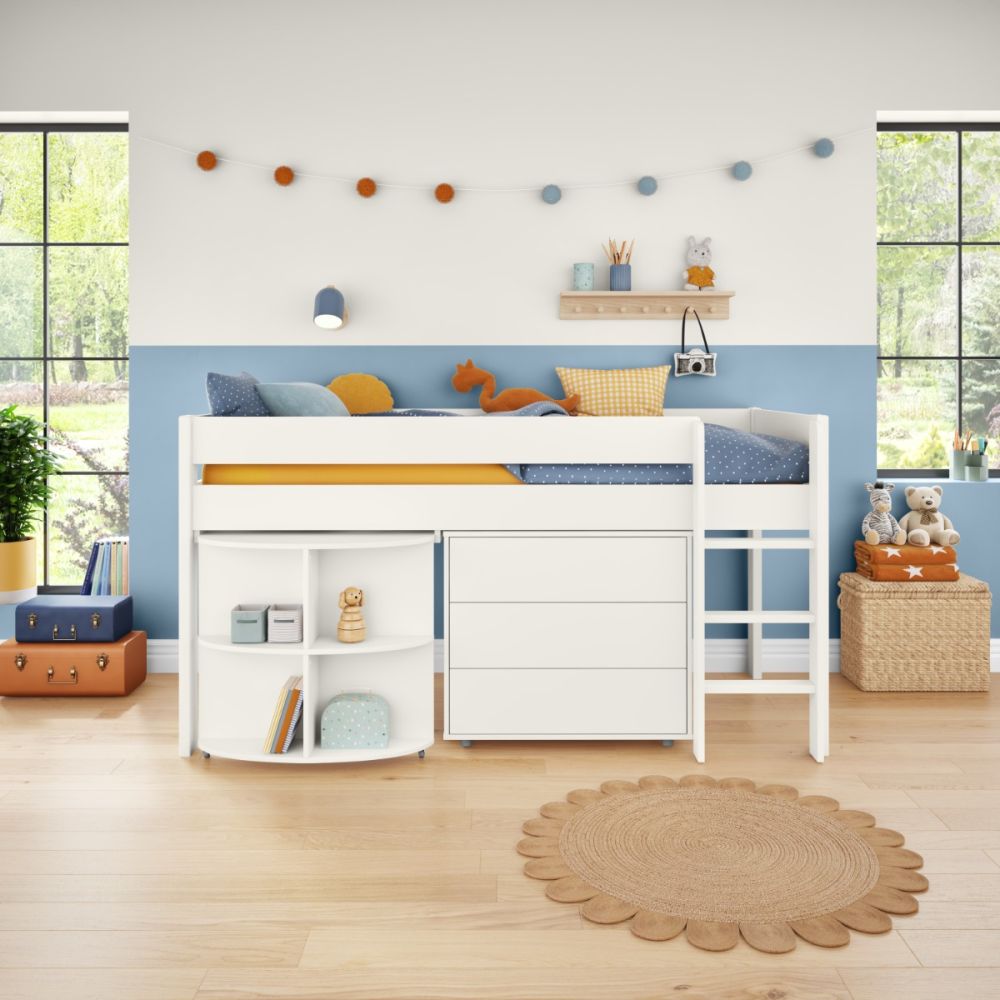
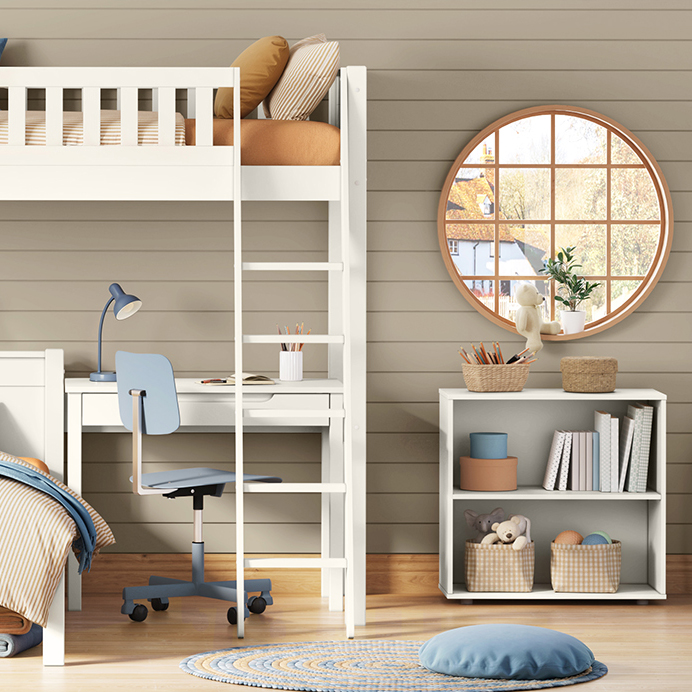
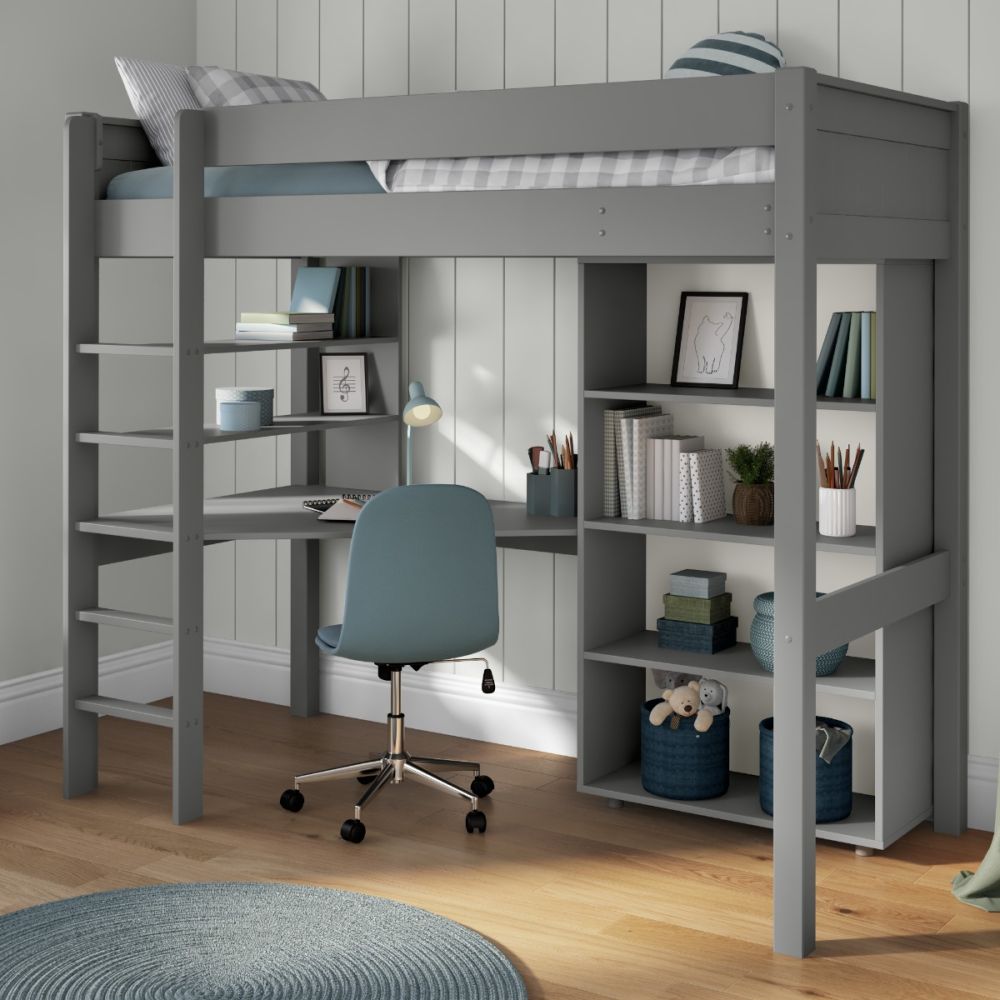
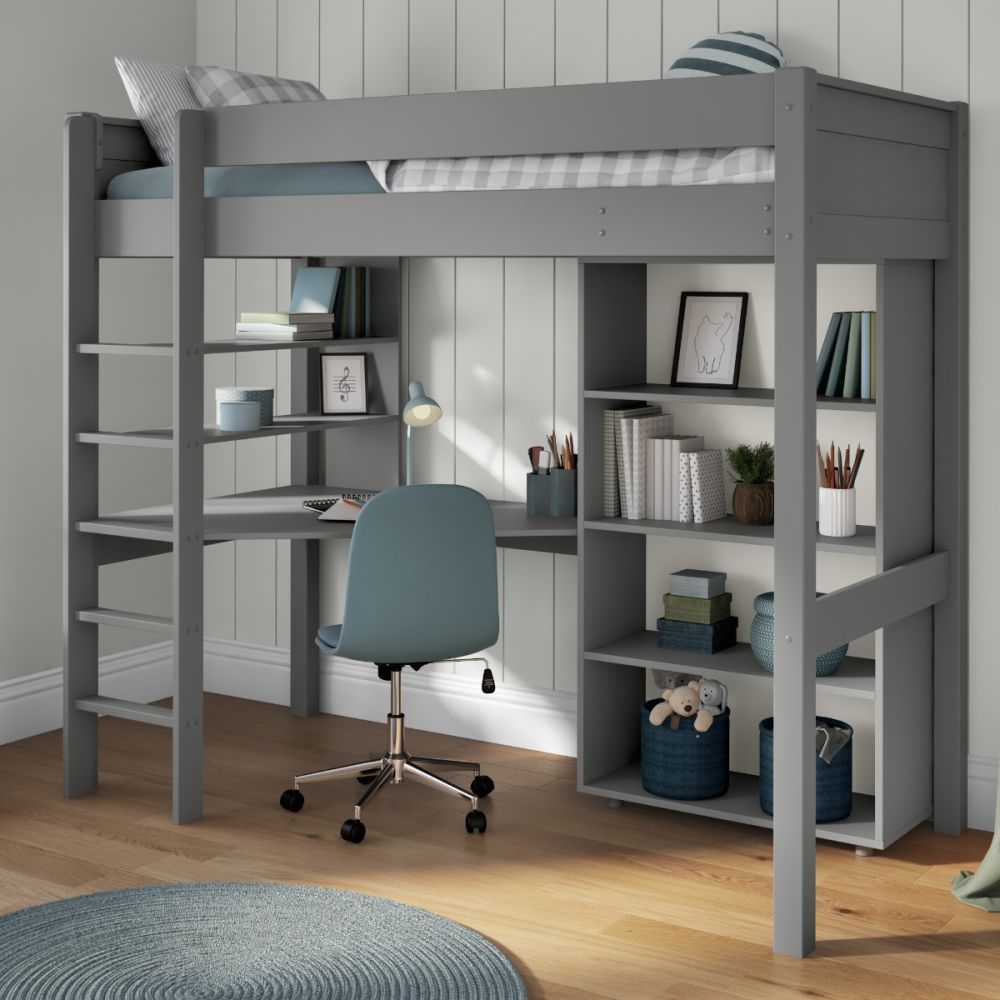
A desk doesn't have to take up a large amount of additional floor space. A kids’ bed with a desk can combine sleeping and studying within the same footprint, making it particularly useful in smaller bedrooms.
Stompa’s range includes both mid sleepers with pull-out desks and high sleepers with integrated desks, providing dedicated areas for homework, hobbies and creative activities. For older children and teenagers, a high sleeper can create a more substantial study area underneath the bed, while a mid sleeper can provide a practical solution for younger school-age children.
Make Homework Easier to Organise
Once you have created a study area, think about what needs to live there.
School books, stationery, notebooks, headphones, art materials and technology can quickly turn a desk into a cluttered space.
Shelving, drawers and nearby storage can help keep the essentials organised without making the room feel busy.
Where possible, give frequently used items a designated place. A simple system of keeping books together, stationery in one area and school bags in another can make it easier for children to keep their own space organised.
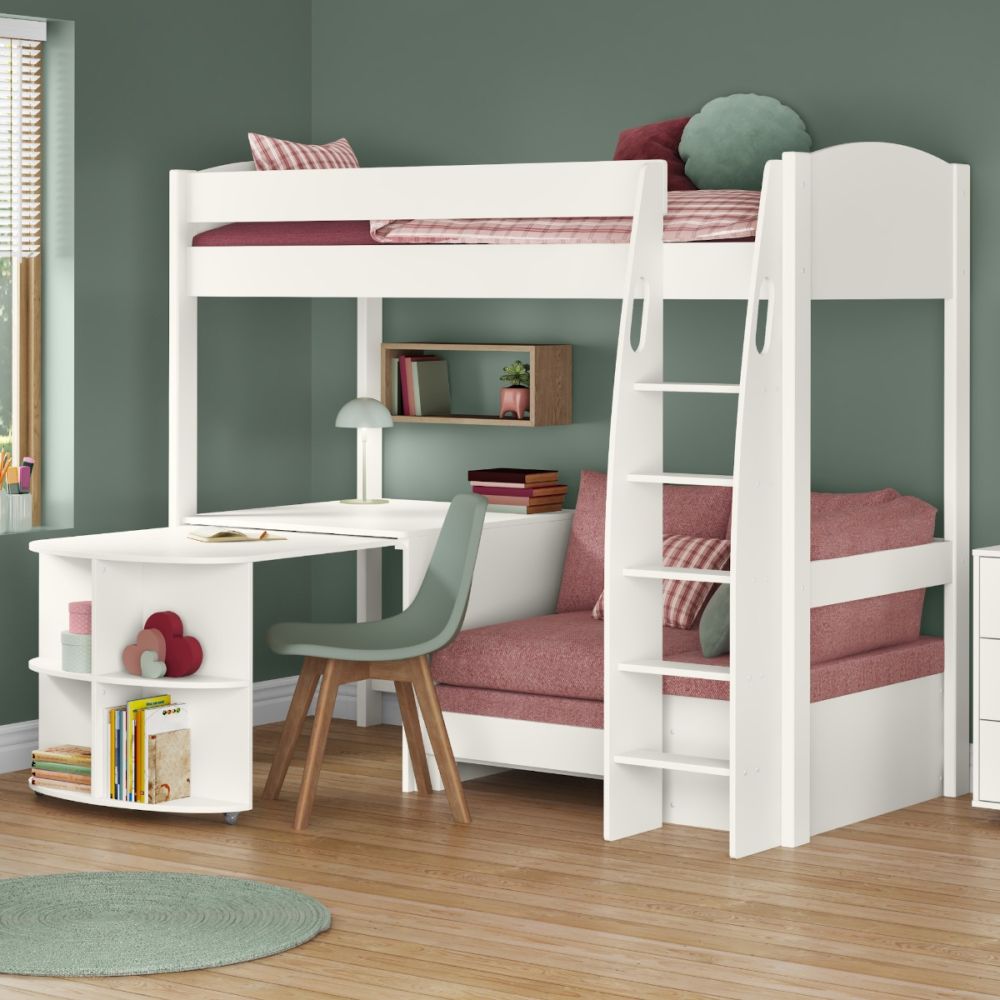
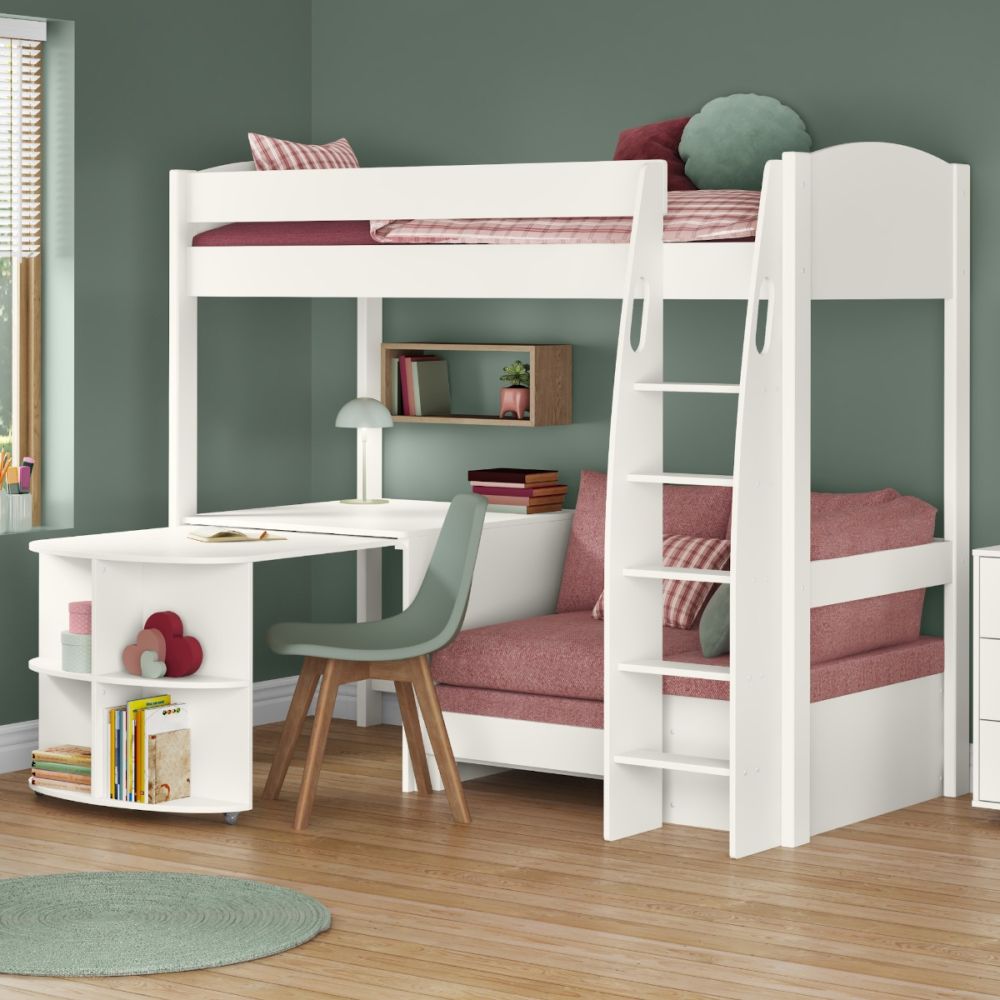
️Kids’ Bedroom Organisation Ideas for a Fresh Start
The return to school often means more things coming into the bedroom: school bags, books, sports equipment, uniforms and homework.
Good kids’ bedroom organisation starts with giving everything a place.
Use Children’s Bedroom Storage to Reduce Clutter
Storage doesn't have to mean filling a room with cupboards and boxes.
Look for opportunities to make furniture work harder. A bed with integrated or additional storage can use space that might otherwise be wasted, while chests of drawers, bookcases and cube units can provide flexible storage around the room. Stompa’s storage bed options, for example, combine sleeping space with practical storage and desk configurations, helping families make better use of available floor space.
Keep Everyday Essentials Within Easy Reach
The best storage is storage that children can actually use.
Keep everyday items at a height that makes sense for your child. Books they read regularly, school supplies and favourite belongings should be easy to access. Less frequently used items can be stored higher up or further back. This can also encourage children to take more responsibility for their own room. When everything has an obvious home, tidying becomes much more manageable.
Create a Place for School Bags and Shoes
The bedroom isn't always the best place for school bags, coats and shoes, but if these items do end up there, give them a defined space. A hook, shelf or storage area near the entrance to the room can help prevent school bags from becoming another source of floor clutter. Small changes like this can make the whole bedroom feel calmer.
Space-Saving Kids’ Bedroom Ideas for Smaller Rooms
Many children's bedrooms are surprisingly compact, particularly in newer homes. The key to making a small bedroom work isn't necessarily adding more furniture. It is choosing furniture that performs more than one job.
Choose a Space-Saving Children’s Bed
A traditional single bed takes up valuable floor space but provides only one function: somewhere to sleep unless it has useful underbed storage drawers.
A mid sleeper or high sleeper can make use of the space underneath, creating room for a desk, drawers, shelving or other furniture. Stompa mid sleepers are designed to create useful space underneath the raised sleeping platform for desks, storage or play areas. High sleepers take this idea further by creating a larger area underneath the bed that can be used for studying, storage or relaxation.
Consider Beds with Desks for Children
For school-age children, a bed with a desk can be one of the most effective ways to combine sleep and study without taking up additional floor space.
Instead of placing a separate bed and desk next to one another, the desk becomes part of the overall bedroom solution. This can be particularly useful in smaller bedrooms where every centimetre matters. Stompa’s current beds-with-desks collection includes mid sleepers with pull-out desks and high sleepers with integrated desks, as well as combinations incorporating storage and shelving.
Make Use of Vertical Space
When floor space is limited, look upwards.
Tall bookcases, shelving and high sleeper beds can make use of vertical space without taking additional floor area. This is particularly useful when a bedroom needs to accommodate several functions. Rather than spreading furniture across the floor, consider how sleep, study, and storage can be arranged vertically or integrated into a cohesive design.
How to Create a Better Study Space for Children
A good study area doesn't need to look like an office.
For children, it should feel like a natural part of their bedroom while providing enough space to concentrate.
Choose the Right Size Desk
The desk should provide enough space for the activities your child actually does.
For younger children, this might mean drawing, reading and homework. Older children may need more room for books, a laptop or other equipment. A pull-out desk can be particularly useful when space is limited because it can be tucked away when it isn't being used.
Add Storage Around the Study Area
A desk on its own won't necessarily keep homework organised. Think about what your child needs within easy reach and look for ways to incorporate shelving, drawers or storage units around the workspace. This also helps the bedroom serve different purposes without everything becoming mixed together.
Keep the Study Area Calm and Uncluttered
Children's bedrooms need to be fun, but a study area can benefit from being relatively simple.
Try to keep the desk surface clear except for the things your child uses regularly. A few personal touches can make the space feel like their own without creating unnecessary distraction.
Children’s Bedroom Storage Ideas That Work Harder
Storage becomes increasingly important as children grow.
Toys may gradually be replaced by books, clothes, sports equipment, hobbies and schoolwork, so choosing flexible storage can help a bedroom adapt.
Use Furniture That Can Adapt Over Time
A chest of drawers or bookcase can remain useful for years, even as the contents change.
The same principle applies to multifunctional beds. Some Stompa designs combine beds with desks, drawers, shelving and other furniture, allowing families to create a complete bedroom solution within a relatively compact footprint.
Think About What Your Child Will Need Next
When choosing children's bedroom furniture, it is tempting to solve only today's problem.
But a better question is: Will this still work in a few years?
A young schoolchild may need space for reading and homework. A few years later, they may need room for revision, a laptop, hobbies, friends and considerably more belongings. Choosing flexible, well-designed furniture can make it easier to adapt the room without starting again from scratch.
Create a Bedroom That Works Beyond the School Day
Although the return to school is a useful time to rethink your child's bedroom, the room needs to work for much more than homework.
Children need somewhere to relax, read, play, spend time with friends and simply switch off. That is why the best children’s bedroom ideas aren't just about fitting in as much furniture as possible. They are about creating a room where different activities can coexist comfortably.
Make Space for Relaxation
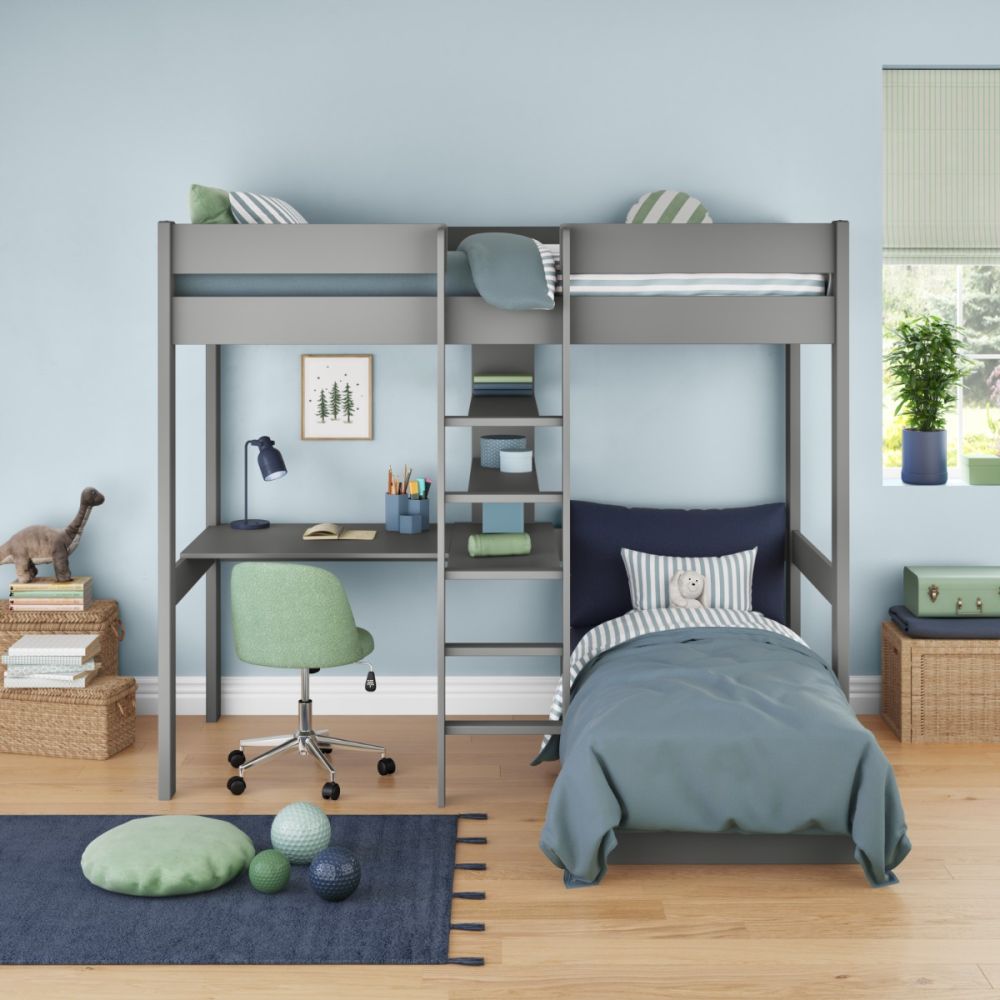
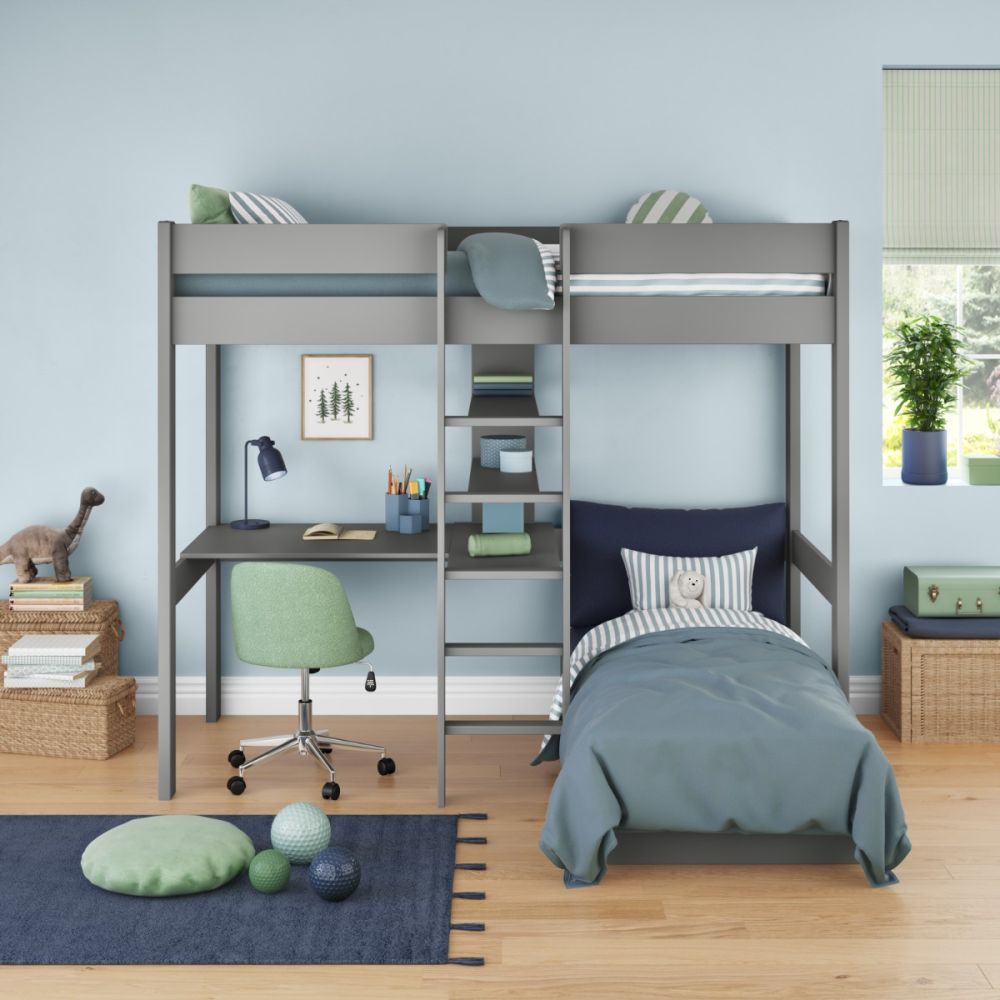
If your child has a study area, try to keep it visually separate from their sleeping space where possible. This can help the bedroom feel more versatile, with clear areas for different parts of the day. For older children and teenagers, high sleeper combinations can incorporate areas for studying and relaxing underneath the bed, while sofa and chair bed options can also provide useful space for friends and sleepovers.
Keep Sleep at the Heart of the Room
Even in a multifunctional bedroom, sleep should remain the priority.
A comfortable bed, supportive mattress and calming sleeping environment all contribute to a bedroom that feels like a place to switch off at the end of the day. Try to avoid allowing homework, electronics and clutter to take over the entire room.
A well-planned bedroom should make it easy to move between study time, downtime and bedtime.
Bedroom Furniture for Children: What Should You Choose?
When planning a child's bedroom, think about furniture as a complete system rather than a collection of individual pieces.
A bed, desk, storage and shelving should work together rather than compete for space.
Choose Multifunctional Children’s Furniture
Multifunctional furniture can be particularly useful when space is limited.
A high sleeper with an integrated desk, for example, combines sleeping and studying in one design. A mid sleeper can provide space for a pull-out desk, drawers or storage underneath.This approach can leave more open floor space for movement, play or relaxation.
Look for Timeless Children’s Bedroom Design
Children's tastes change quickly.
While accessories can be updated relatively easily, larger pieces of furniture are more of an investment. Choosing simple, timeless designs means you can refresh the look of the room with bedding, artwork, accessories and colour without replacing the main furniture every few years. Scandinavian-inspired design works particularly well for this approach, combining simple lines and practical functionality with a timeless aesthetic.
How to Make a Child’s Bedroom Work Harder
The most successful children's bedrooms don't necessarily contain the most furniture. They contain furniture that makes good use of the space available.
Think about the room as a series of functions:
Sleep – a comfortable and inviting place to rest.
Study – a dedicated area for homework, reading and creative activities.
Store – practical places for clothes, books, toys and school essentials.
Relax – somewhere to read, play or spend time with friends.
When these functions are considered together, even a smaller bedroom can feel organised and purposeful.
That's the real benefit of thoughtful bedroom design: one room can do so much more.
Back to School Bedroom Checklist
Before the new school routine gets fully underway, take a few minutes to look at your child's bedroom with fresh eyes.
Ask:
- Is their bed still the right size and style for them?
- Do they have a comfortable place to sleep?
- Is there a dedicated area for homework or study?
- Is the desk large enough for their current needs?
- Is school equipment easy to organise?
- Is there enough storage for clothes, books and belongings?
- Could the space underneath the bed be used more effectively?
- Is there enough open floor space for relaxing and playing?
- Will the furniture continue to work as they grow?
You don't have to change everything at once. Sometimes one thoughtful furniture change can transform how a room works.
Create Space to Sleep, Study & Store
A child's bedroom has to do a lot.
It needs to support sleep, school, hobbies, friendships, independence and all the everyday moments in between.
The best kids’ bedroom ideas combine practicality with design, making it easier to create a room that feels organised without losing its personality.
From beds with desks and space-saving mid sleepers to high sleepers, storage furniture and flexible bedroom combinations, choosing furniture that does more can help you make better use of the space you already have.
And while September may be the perfect time to give the room a fresh start, the goal is to create a space that works well throughout the whole year.
A bedroom for today. A space ready for tomorrow.
Frequently Asked Questions
How can I organise my child’s bedroom for back to school?
Start by creating clear areas for sleeping, studying and storage. Give school books, stationery, clothing and everyday belongings a designated place and use multifunctional furniture where possible to make the most of available space.
How can I create a study space in a small children’s bedroom?
A bed with an integrated or pull-out desk can combine sleeping and studying without requiring a separate desk to take up additional floor space. Mid sleepers and high sleepers can also make use of the space underneath the bed for desks and storage.
What is the best space-saving bed for a child?
The best choice depends on your child's age, the size of the bedroom and how the available space needs to be used. Mid sleepers can provide space underneath for desks or storage, while high sleepers create a larger area underneath for study, storage or relaxation. Stompa recommends its mid sleepers, high sleepers and top bunks for children aged 6 and over.
How can I add more storage to my child’s bedroom?
Look for unused or underused areas of the room and consider multifunctional furniture. Beds with storage, chests of drawers, bookcases, cube units and shelving can all help keep clothes, books, toys and school supplies organised.
Are beds with desks suitable for teenagers?
Yes. High sleepers with integrated desks can provide a larger dedicated study area beneath the bed, making them particularly useful for older children and teenagers who need more room for homework, revision and hobbies.
How can I make my child’s bedroom last as they grow?
Choose timeless, durable furniture and think beyond your child's current needs. Flexible designs that combine sleeping, studying and storage can adapt more easily as their routines, interests and belongings change.
Need more help with getting your child's bedroom ready for school life?
We're always happy to help, and you are welcome to contact us to help you make the most of your child's bedroom. Alternatively, explore Stompa’s range of thoughtfully designed children’s beds and furniture, created to support growing families for years to come.