






How to Make the Most of a Small Children’s Bedroom.
October 01, 2026
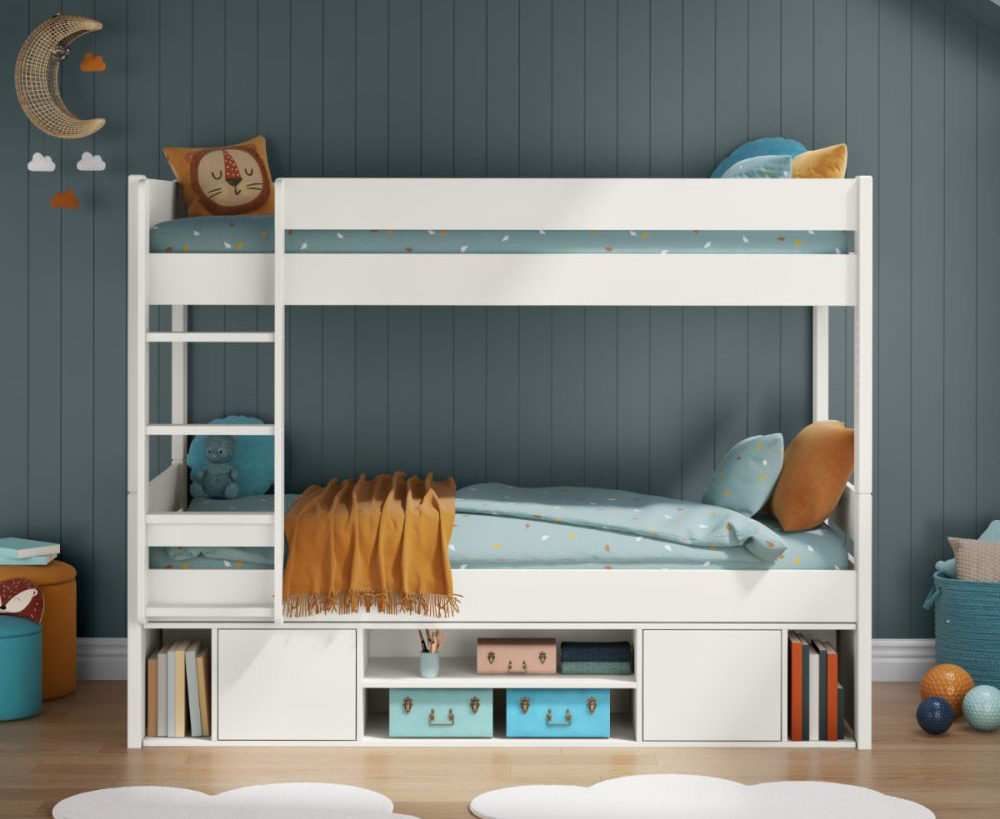
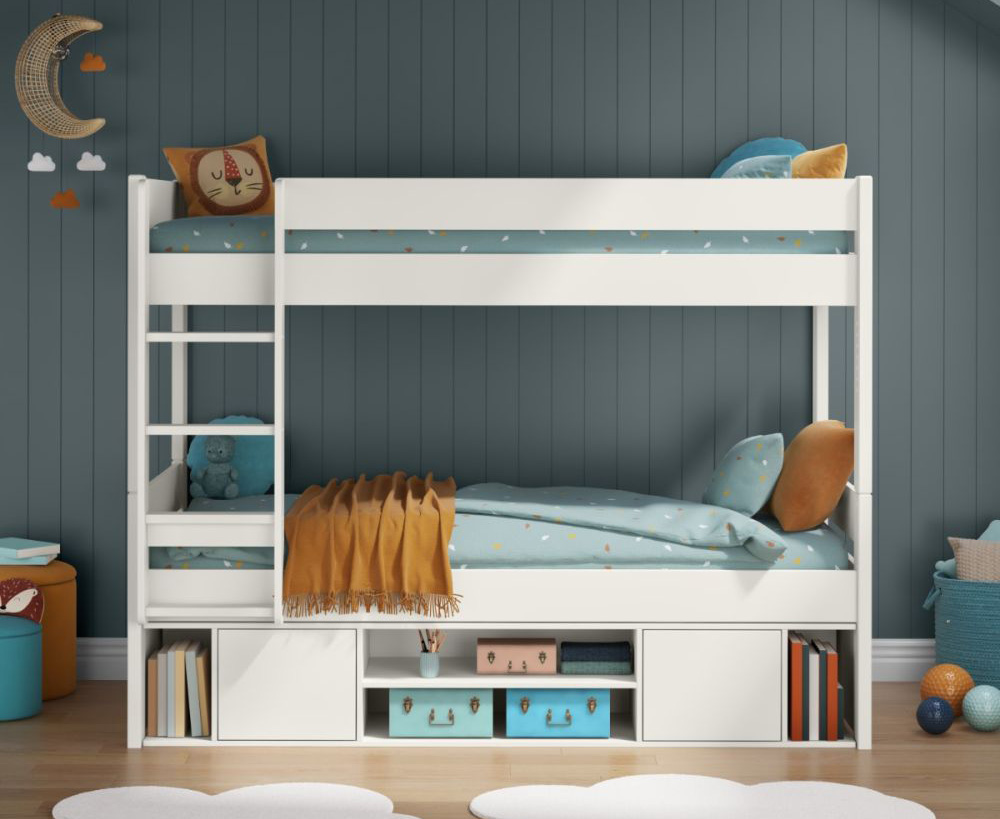
A small bedroom doesn't have to mean a room that feels cramped. With a little planning and the right furniture, even a compact children's bedroom can have space for everything your child needs - from a comfortable place to sleep to somewhere to study, play, relax and keep their favourite things.
The key is to think beyond the floor space you have and make every part of the room work harder.
From choosing the right children's bed to making better use of vertical space, here are some practical ideas for creating a small bedroom that feels comfortable, organised and full of possibilities.
How to Make a Small Children’s Bedroom Work Harder.
Before choosing furniture, think about everything your child needs their bedroom for.
It might be somewhere to sleep, get ready for school, read, do homework, play, relax and spend time with friends. In a smaller room, having a separate piece of furniture for every activity isn't always practical.
Instead, look for furniture that can perform more than one function and consider how the whole room can work together.
Think About How Your Child Uses the Room.
Every child's bedroom is different. A younger child may need plenty of floor space for play, while an older child might need more room for studying, storing clothes or having friends over.
Start by thinking about what matters most to your child now. Then consider how those needs might change over the next few years.
This can help you choose furniture that works with the room rather than simply filling it.
Make Every Piece of Furniture Count.
In a small bedroom, every piece of furniture takes up valuable floor space.
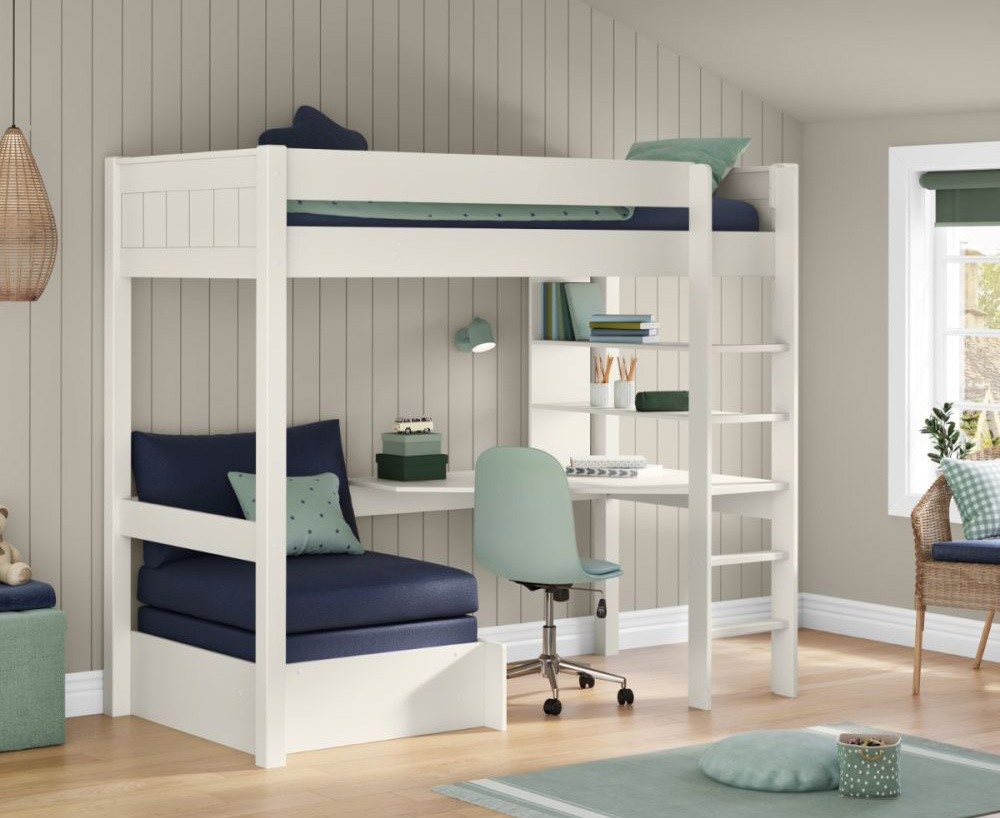
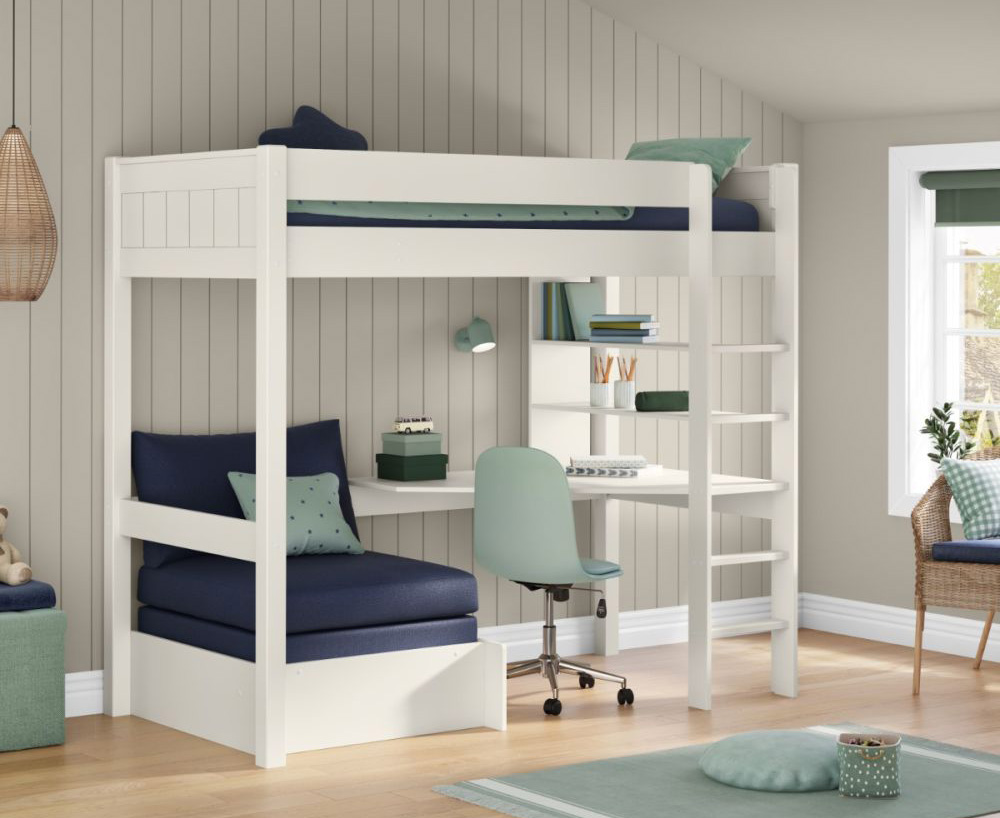
A bed with storage underneath, a high sleeper with a desk or a bunk bed with an additional trundle can combine several functions in one footprint.
Rather than asking how many pieces of furniture you can fit into the room, think about how much you can achieve with each piece.
️Choose a Space-Saving Bed for a Small Bedroom.
The bed is usually the largest piece of furniture in a child's bedroom, so choosing the right style can have a big impact on the rest of the room.
Space-saving children's beds can make better use of vertical space or provide additional functions underneath, helping you create more room without making the bedroom feel overcrowded.
High Sleepers: Make Use of Space Under the Bed.
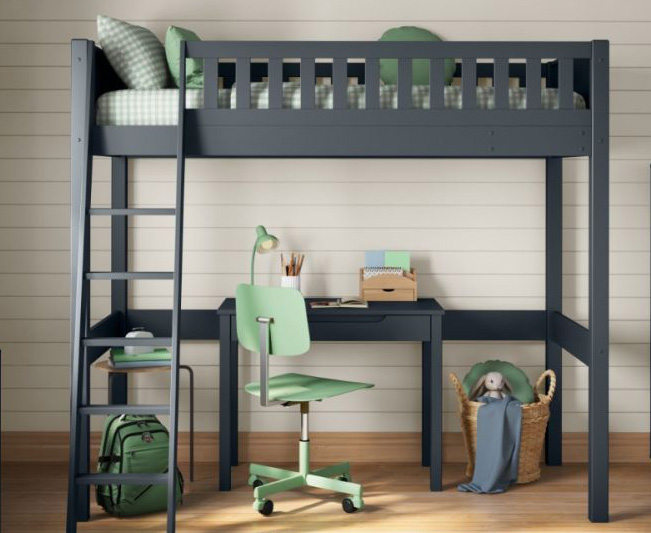
A high sleeper raises the sleeping area to create useful space underneath.
Depending on the design, this space could become a dedicated study area with a desk, a place for storage, an additional bed or simply an open area for play and relaxation.
This makes high sleepers particularly useful when floor space is limited.
Mid Sleepers: Create Space for Play and Storage.
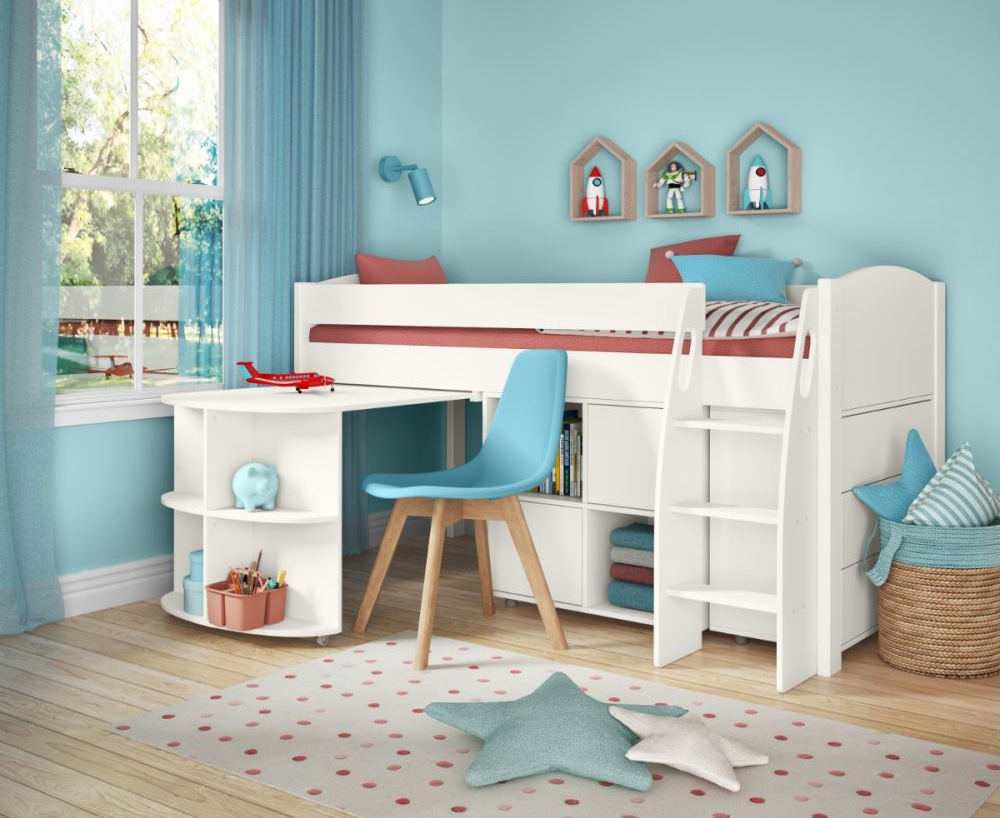
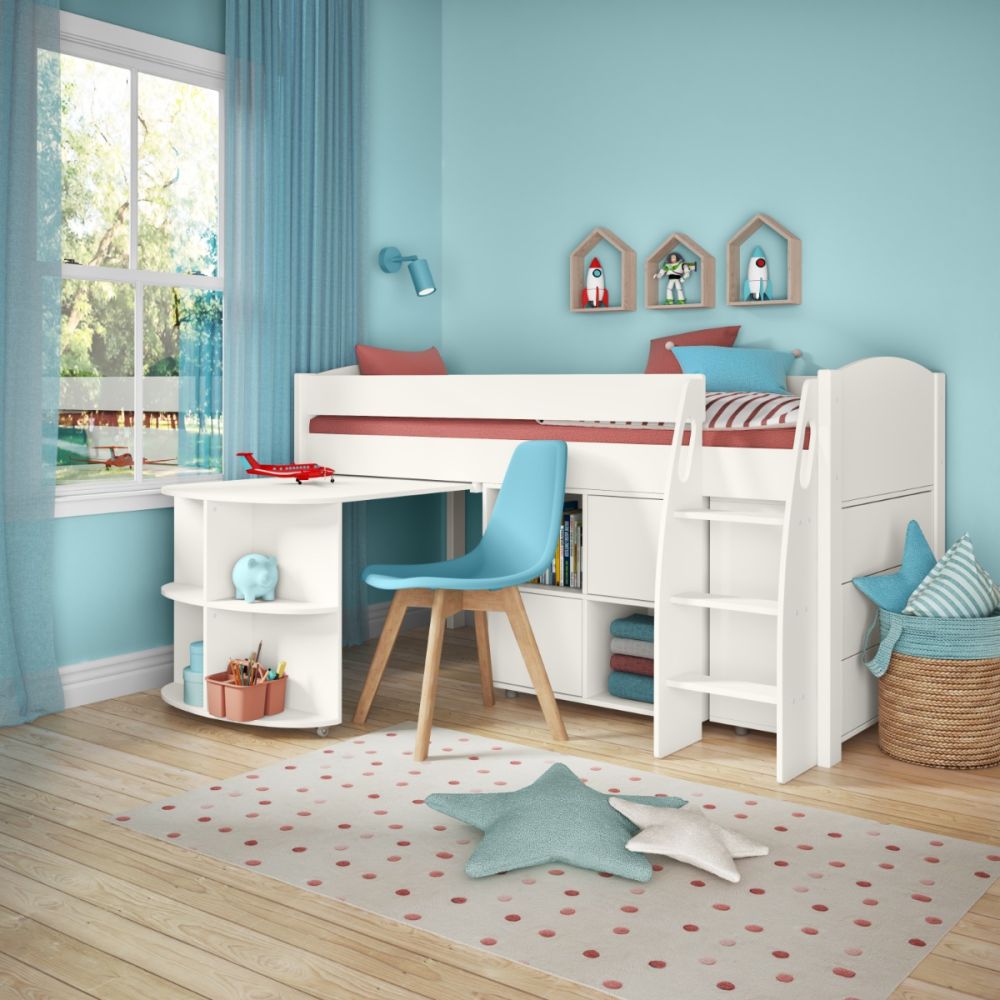
A mid sleeper sits lower than a high sleeper, making it a popular choice for younger children.
The space underneath the bed can be used in different ways, from a cosy place to play or read to an area for storage or other bedroom furniture.
For smaller bedrooms, a mid sleeper can help create different zones without needing several separate pieces of furniture.
Bunk Beds: Make the Most of Vertical Space.
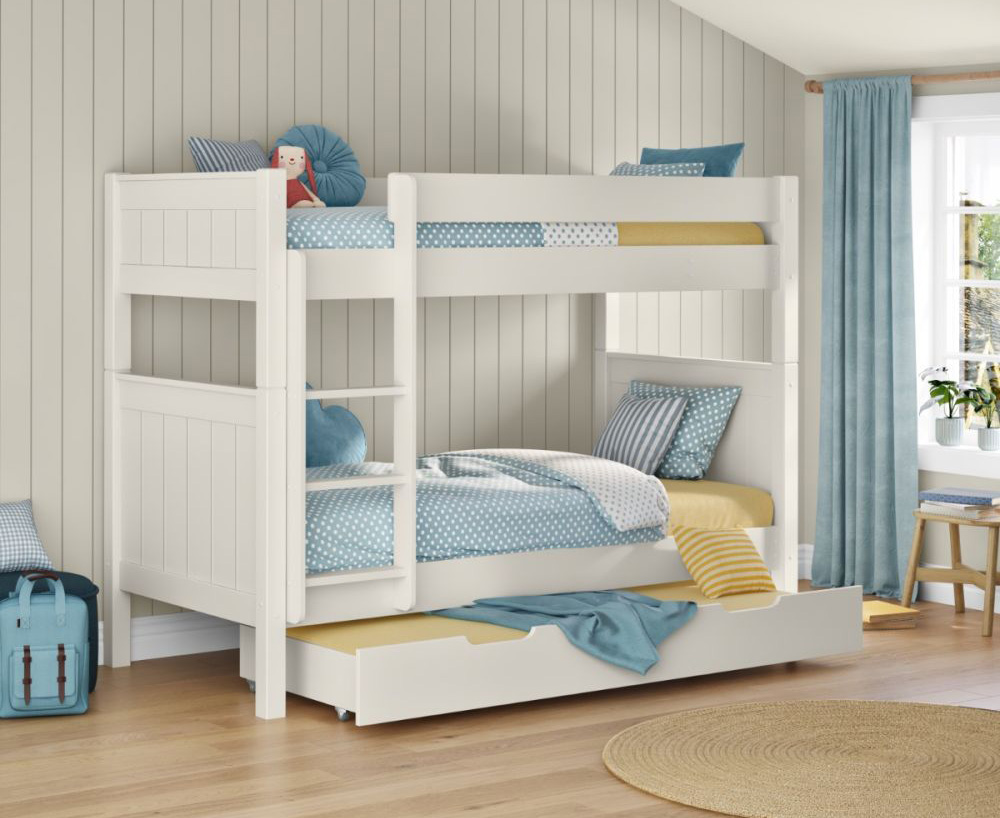
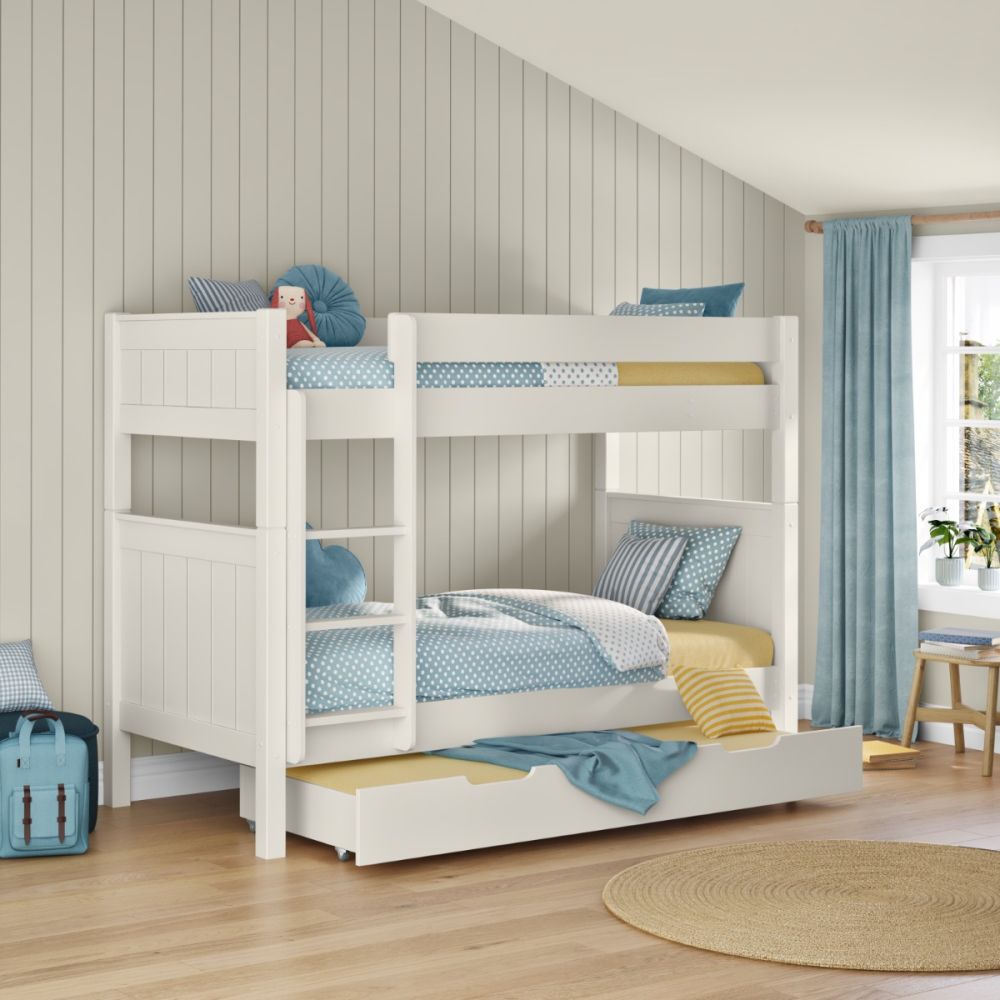
For siblings sharing a bedroom, bunk beds can be a practical way to make the most of limited floor space.
Instead of two beds taking up space side by side, bunk beds use the height of the room, leaving more floor space available for playing, storage or other furniture.
Some bunk beds can also be separated into individual beds, giving you greater flexibility if your children's needs change.
Trundle Beds: Add an Extra Bed When You Need It.
If sleepovers are a regular part of family life, a trundle bed can provide an additional sleeping space without permanently taking up the floor space of a second bed.
The extra bed can be tucked away underneath during the day and pulled out when friends or siblings come to stay.
It's a simple way to make one piece of furniture work harder. For more information about the benefits children enjoy by having sleepovers with their friends, see our article 'Why Sleepovers Matter: The Surprising Benefits for Children's Friendships, Confidence & Independence.'
Make Storage Work in a Small Children’s Bedroom.
.Finding enough storage is one of the biggest challenges when planning a small children's bedroom.
Clothes, books, toys, school equipment and all the things children collect over the years need somewhere to go. But adding lots of separate storage furniture can quickly make a compact room feel crowded.
The solution is to look for storage opportunities that are already there.
Use the Space Under the Bed.
The space underneath a bed can be valuable storage space.
Under-bed drawers can be useful for clothes, bedding, toys and other belongings, without requiring additional floor space.
A trundle can also make clever use of the same area, providing an additional sleeping space when required.
For high and mid sleepers, the space underneath can offer even more possibilities for combining storage, study and play.
Make Use of Vertical Space.
When floor space is limited, look upwards.
Tall bookcases and shelving can provide useful storage without taking up as much floor area as wider furniture.
Keeping books, toys and other belongings off the floor can also help create a calmer, more spacious feeling.
Give Everything a Place.
A small bedroom can quickly become cluttered when everyday belongings don't have an obvious home.
Simple, accessible storage can make it easier for children to keep their own rooms organised. Open shelving can make favourite books and toys easy to reach, while drawers and cupboards are useful for keeping clothes and less frequently used items neatly stored away.
The goal isn't necessarily to hide everything. It's to make it easy for everything to have its place.
Create Space for Study.
.As children get older, their bedroom often needs to become a place for homework and study as well as sleep and play.
In a small room, finding space for a desk can be challenging, but there are ways to create a dedicated study area without taking over the bedroom.
Add a Desk Without Losing Valuable Floor Space.
A desk underneath a high sleeper or a mid sleeper can be an effective way to create a study area within the existing footprint of the bed.
This gives children somewhere to do homework, draw, read or use a laptop while keeping the rest of the room available for other activities.
A compact freestanding desk can also work well where the room layout allows.
Keep Homework and School Essentials Organised.
A small study area works best when it doesn't become another source of clutter.
Drawers, shelves and simple organisers can keep stationery, books and school essentials together.
Keeping the desk clear also makes it easier for children to switch between homework and other activities without the whole bedroom becoming a study space.
Leave Room for Play and Relaxation.
When space is limited, it can be tempting to fill every available corner with furniture.
But children need space to play, move around and relax too.
Keep Some Floor Space Free.
You don't need to fill every centimetre of a small bedroom.
Leaving some open floor space gives children somewhere to play, build, read or simply spread out. It can also make the room feel more spacious.
Think carefully about what your child actually uses before adding another piece of furniture.
Create Different Zones Within the Room.
You don't need a large bedroom to create separate areas for different activities.
The bed can define the sleeping area, a desk can create a study zone and a small rug, beanbag or chair can provide somewhere to read or relax.
Using furniture and accessories to create these zones can help a small bedroom feel organised and purposeful without making it feel crowded.
Choose Children’s Furniture That Works Together.
.In a small bedroom, every piece of furniture has an impact on the overall look and feel of the room.
Choosing pieces that complement one another can help the space feel calmer and more considered.
Keep the Look Simple and Uncluttered.
Too many colours, patterns and individual pieces can make a small room feel busy.
A simple base of neutral or calming colours can help create a sense of space, while bedding, artwork and accessories can bring personality to the room.
Choose Flexible Furniture.
Children's bedrooms change as children grow and their interests develop.
A young child's room might need plenty of space for play, while a few years later the priority could be homework, hobbies, clothes and having friends over.
Flexible furniture can help you adapt the room as those needs change, without having to completely rethink the space.
Add Personality Without Adding Clutter.
A practical bedroom still needs to feel like your child's own space.
After all, this is their room.
Let Your Child Make the Space Their Own.
You don't need lots of furniture or decorations to give a bedroom personality.
Let your child choose some of the details, such as bedding, artwork, favourite books, cushions or a few treasured possessions.
These small touches can make a big difference without taking up valuable floor space.
Use Colour, Bedding and Accessories.
A simple bedroom can be brought to life with carefully chosen accessories.
Soft furnishings, wall art and bedding are easy ways to introduce colour and personality — and can be changed as your child's tastes develop.
Keeping larger pieces of furniture relatively simple can make it easier to refresh the room without replacing everything.
Small Bedroom, Big Possibilities.
A small children's bedroom doesn't have to limit what the room can be used for.
With thoughtful planning, the right children's bed and furniture that makes better use of the available space, one room can provide somewhere to sleep, study, play, relax, store belongings and have friends over.
The key is to look at the room as a whole.
Rather than asking, “Where can I fit another piece of furniture?”, ask, “How can I make this space work better?”
Sometimes, the answer is to choose furniture that can do more than one job - because when space is limited, a bed can be much more than just a bed.
Frequently Asked Questions.
How can I make a small children's bedroom feel bigger?
Keeping the floor as clear as possible, using vertical storage and choosing furniture that combines different functions can help a small bedroom feel more spacious. High sleepers, mid sleepers and bunk beds can be particularly useful because they make better use of vertical space.
What is the best bed for a small children's bedroom?
The right bed depends on your child's age, the size and layout of the room and how they use the space. High sleepers and mid sleepers can create useful space underneath, while bunk beds can be practical for shared bedrooms. Beds with storage or a trundle can also help make better use of limited floor space.
How can I add storage to a small child's bedroom?
Look for storage opportunities that don't require additional floor space. Under-bed drawers, shelving and tall bookcases can all help. Choosing a bed with integrated storage can also reduce the need for separate storage furniture.
How do you fit a desk into a small children's bedroom?
A desk underneath a high sleeper can be a practical way to create a dedicated study area without using additional floor space elsewhere in the room. A compact freestanding desk can also work well where the room layout allows.
How can I keep a small children's bedroom organised?
Give everyday belongings a designated place and make storage easy for children to use themselves. Drawers, shelves and under-bed storage can help keep clothes, books and toys organised without taking up additional floor space. Avoid adding furniture simply to fill a gap — in a small room, keeping some open space can make the whole bedroom feel calmer and more spacious.
Need more help with making a small bedroom work harder?
We're always happy to help, and you are welcome to contact us to help you make the most of your child's bedroom. Alternatively, explore Stompa’s range of thoughtfully designed children’s beds and furniture, created to support growing families for years to come.