






How to Create a Scandinavian-Style Bedroom for Children.
November 04, 2026
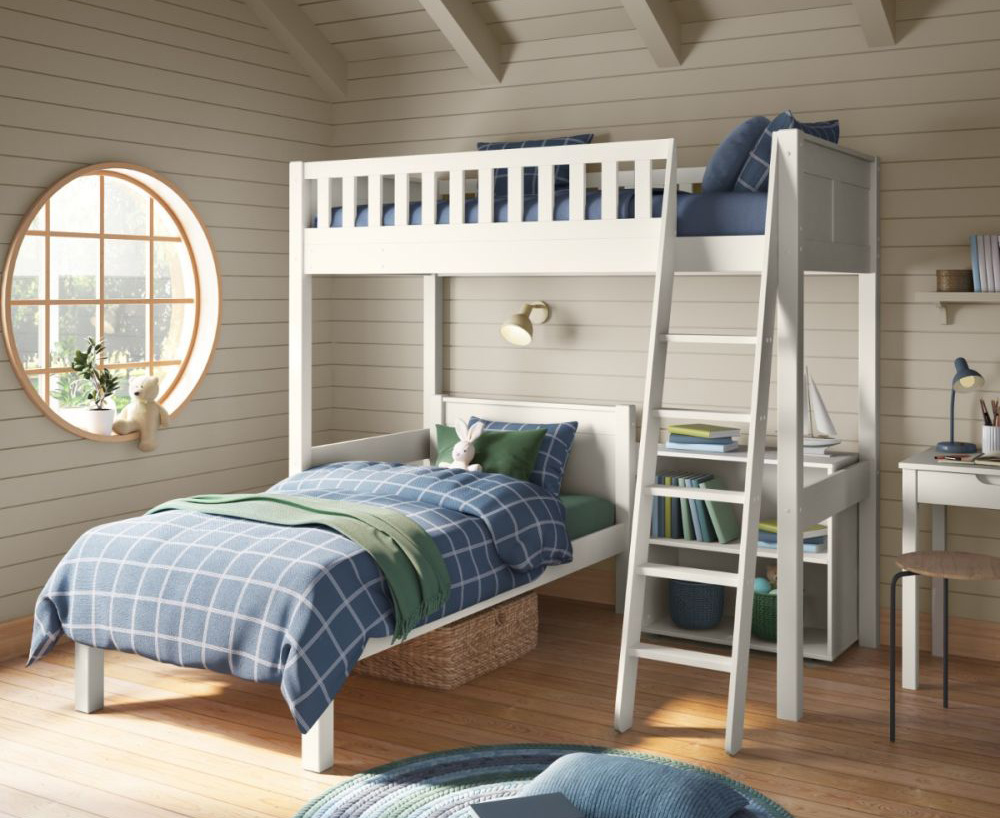
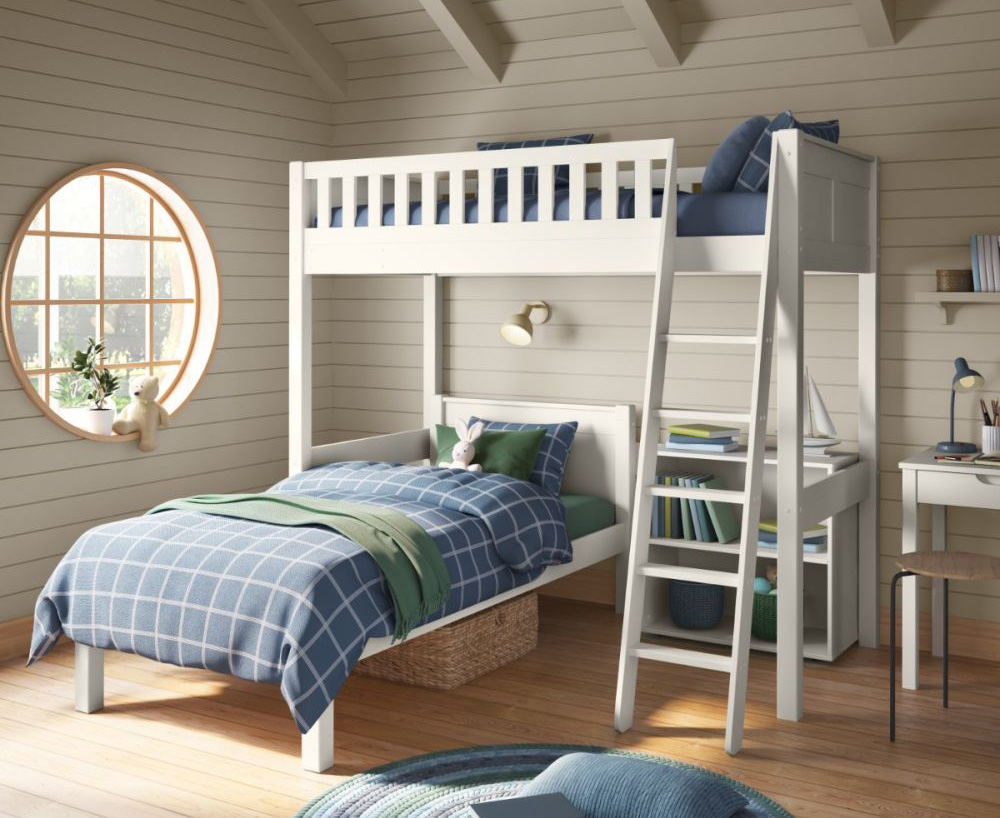
Scandinavian interiors have a timeless appeal. Known for their clean lines, natural materials, calming colours and thoughtful simplicity, Nordic-inspired design offers a wonderful way to create a children's bedroom that feels both beautiful and practical.
But Scandinavian style is about more than white walls and minimalist furniture. It's about creating a comfortable, welcoming environment where everything has a purpose, natural textures bring warmth and there's room for everyday family life.
For children's bedrooms, this approach works particularly well. A thoughtfully designed space can provide a peaceful place to sleep, somewhere to play and be creative, and a practical area for studying and keeping belongings organised.
Whether you're starting from scratch or simply looking to refresh your child's bedroom, here are some ideas to help you bring Scandinavian style into your home.
What Is Scandinavian Design for Children's Bedrooms?
Scandinavian design originates from the Nordic countries, including Norway, Sweden, Denmark and Finland. It is recognised for its simplicity, functionality, and understated beauty.
Rather than filling a room with unnecessary furniture or decoration, the emphasis is on choosing carefully considered pieces that look good and serve a purpose.
In a child's bedroom, this means creating a calm, uncluttered space without losing its personality or sense of fun.
Simplicity, Functionality and Comfort.
Three principles sit at the heart of Scandinavian interiors:
-
Simplicity: Clean lines, uncomplicated shapes and a considered approach to decoration.
-
Functionality: Furniture and accessories that are practical as well as attractive.
-
Comfort: Soft furnishings, warm textures and welcoming spaces that make a room feel cosy.
Together, these elements create a balanced bedroom that feels relaxed rather than overly styled.
Bringing the Scandi Feeling into a Child's Room.
Scandinavian interiors are often associated with light, airy spaces, but that doesn't mean a child's bedroom needs to be completely neutral or minimalist.
Children need colour, creativity and room to express themselves. The trick is to create a simple foundation and introduce personality through the details.
Think calming wall colours, practical furniture, natural textures and carefully chosen accessories that make the room feel special without overwhelming it.
️Choose a Light and Calming Colour Palette.
Colour plays an important role in Scandinavian interior design. Light, understated shades help create a fresh and spacious feeling, while softer accent colours add warmth and personality.
For a child's bedroom, a carefully chosen colour palette can provide a beautiful foundation that is easy to build on.
Start with Soft Neutrals.
White, warm cream, soft beige and pale grey are popular choices for Scandinavian-inspired interiors.
These colours work particularly well on walls because they reflect natural light and create a simple backdrop for furniture, bedding and accessories.
If you prefer something warmer than white, consider soft off-white or gentle stone shades. These can make a bedroom feel cosy while maintaining the light, airy quality associated with Nordic design.
Introduce Muted Colours.
Scandinavian design doesn't have to mean an entirely neutral bedroom.
Soft greens, dusty blues, muted pinks and gentle earthy tones can all work beautifully alongside a neutral base.
For a slightly more distinctive look, consider using a muted colour on one wall, or introduce colour through bedding, cushions, curtains and artwork.
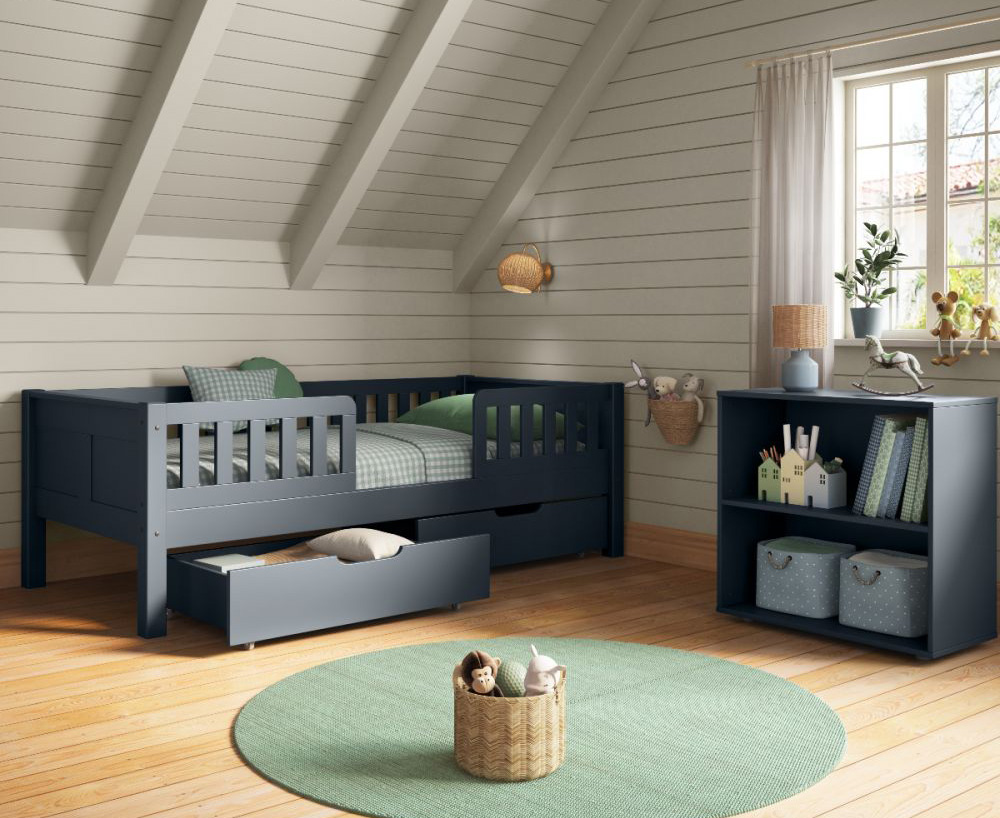
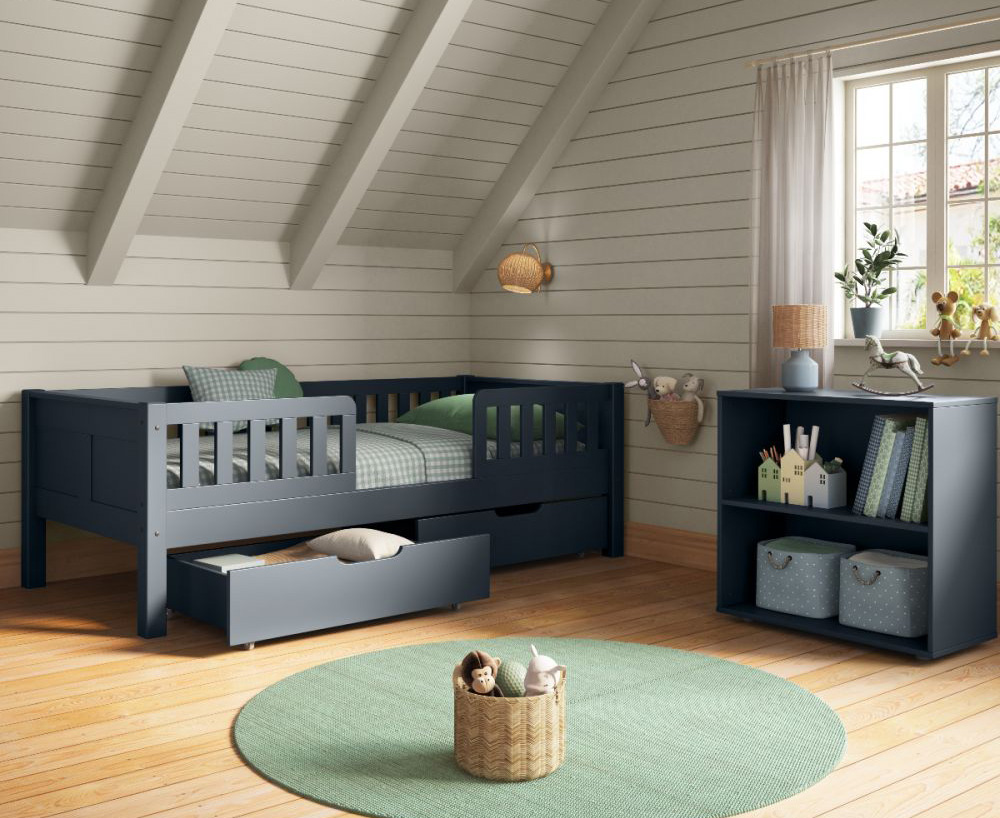
Heritage blue, for example, can create a lovely contrast against white furniture while keeping the overall look understated and elegant.
Use Colour to Add Personality.
Children should have a say in how their bedroom looks and feels.
Rather than committing to bold colours across every wall, introduce brighter shades through accessories that can easily be changed.
Colourful cushions, patterned bedding, favourite pictures and playful decorative details can all bring a child's personality into the room without losing the simplicity of the overall design.
Choose Simple, Functional Children's Bedroom Furniture.
Furniture is one of the most important elements of a Scandinavian-style bedroom.
Nordic design places emphasis on clean lines, practical features and pieces that look beautiful without being overly decorative.
For children's bedrooms, this means choosing furniture that combines good design with the practicalities of everyday family life.
Look for Clean Lines and Simple Shapes.
Scandinavian furniture is often recognised by its uncomplicated shapes and understated detailing.
Rather than elaborate designs, look for beds, wardrobes, desks and storage furniture with clean lines and balanced proportions.
White furniture is a popular choice because it creates a light, fresh appearance, while pale wood finishes can introduce a little natural warmth.
The aim is to create a coordinated look without making the room feel too formal or grown-up.
Choose a Bed That Combines Style and Practicality.
The bed is usually the main feature of a child's bedroom, so it makes sense to start here.
A Scandinavian-inspired children's bed should offer more than good looks. It should also provide the comfort, practicality and functionality needed for everyday use.
Consider what would work best for your child's room:
-
Single beds: A simple, timeless choice that can provide a calm foundation for the bedroom.
-
Junior beds: A practical option for younger children moving on from their cot.
-
Mid sleepers: A clever way to introduce additional space for play or storage underneath.
-
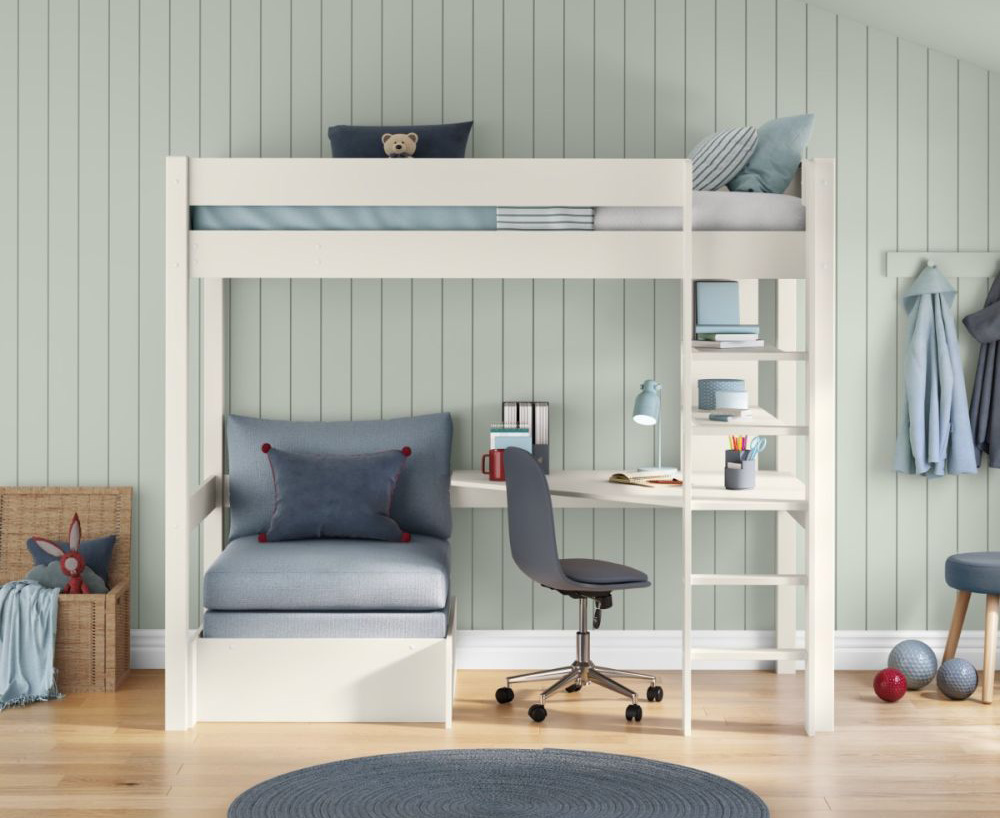
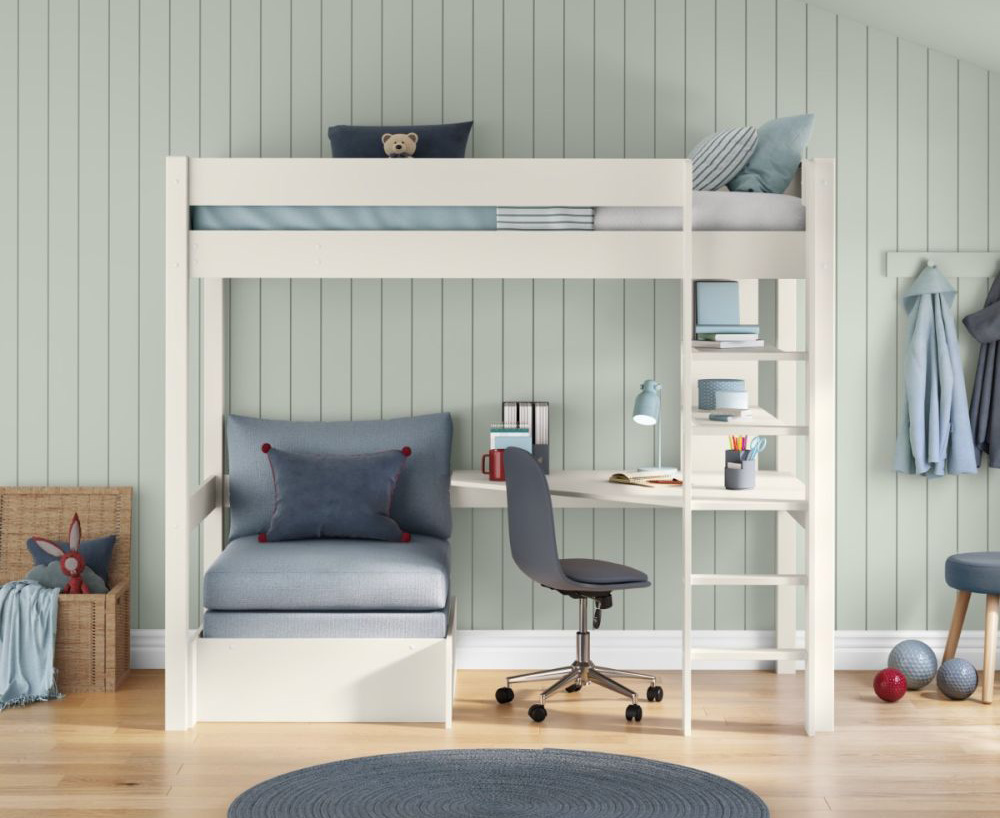
High sleepers: Useful for creating a study area, storage or additional sleeping space beneath the bed.
-
Bunk beds: A practical solution for shared bedrooms or families who regularly have friends staying over.
The right design will depend on the size of the room, your child's age and how they use their space.
Discover Scandinavian Design Across the Stompa Range.
At Stompa, Scandinavian design is at the heart of everything we do. Founded in Norway in 1960, our Nordic heritage continues to influence our approach to creating children's beds and furniture, combining clean, considered design with practical solutions for modern family life.
This design philosophy runs throughout our entire collection, from our simple, timeless finishes to the thoughtful details and clever functionality that make everyday family life easier.
To celebrate our 65th anniversary, we introduced the Arven collection – a special range that pays tribute to our Norwegian roots. Available in White and Heritage Blue, Arven brings together clean lines, understated detailing and a distinctive panelled headboard design.
The collection includes junior beds, single beds, bunk beds and high sleeper combinations, offering versatile solutions for children's bedrooms while reflecting the Scandinavian design values that have been part of Stompa since the beginning.
Bring Natural Materials and Textures into the Room.
One of the reasons Scandinavian interiors feel so inviting is the use of natural materials and contrasting textures.
A room filled with smooth, hard surfaces can sometimes feel a little cold. Introducing different textures helps soften the overall look and creates a more comfortable environment.
Introduce Wood for Natural Warmth.
Wood is a familiar feature of Nordic interiors, helping to bring warmth and a connection to nature into the home.
Consider incorporating wooden accessories, picture frames, shelving or small decorative details alongside your bedroom furniture.
Lighter wood tones work particularly well with white furniture and neutral walls, creating a fresh, balanced appearance.
You don't need everything to match perfectly. Combining different natural finishes can make the room feel more relaxed and individual.
Layer Soft Furnishings.
Soft furnishings are an easy way to add warmth and comfort to a Scandinavian-style children's bedroom.
Think about introducing:
-
Soft cotton or linen bedding.
-
Cosy rugs beside the bed.
-
Knitted cushions and throws.
-
Comfortable curtains or blinds.
-
Textured blankets for reading or relaxing.
Layering different fabrics creates a welcoming atmosphere while keeping the overall colour scheme simple.
Add Natural-Inspired Decorative Details.
Nature is a common influence in Scandinavian interiors.
You could introduce this through woodland-inspired prints, botanical illustrations, animal motifs or simple landscape artwork.
These details work particularly well in children's bedrooms because they add interest and imagination without relying on overly themed decoration.
Make Storage Part of the Design.
A calm and uncluttered bedroom is one of the defining features of Scandinavian interiors.
Of course, keeping a child's bedroom organised can be easier said than done. Toys, clothes, books and school essentials all need somewhere to go.
The key is to make storage part of the overall design rather than treating it as an afterthought.
Choose Practical Storage Furniture.
Look for storage furniture that complements the style of the bedroom while providing useful space for everyday belongings.
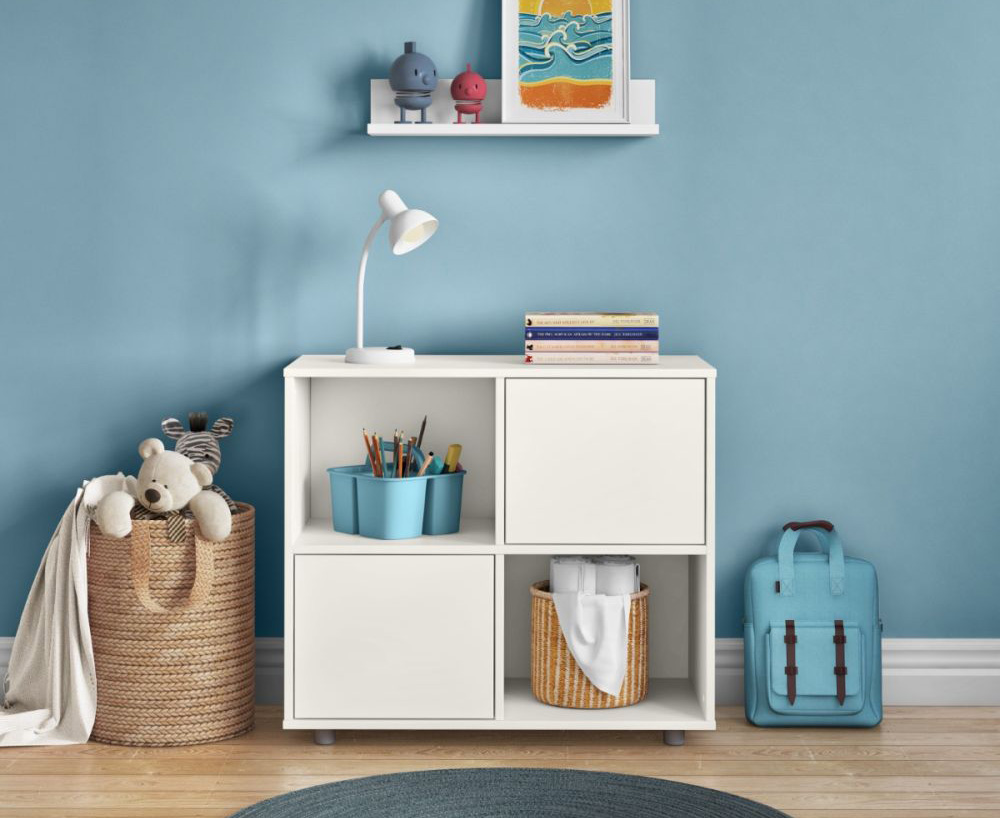
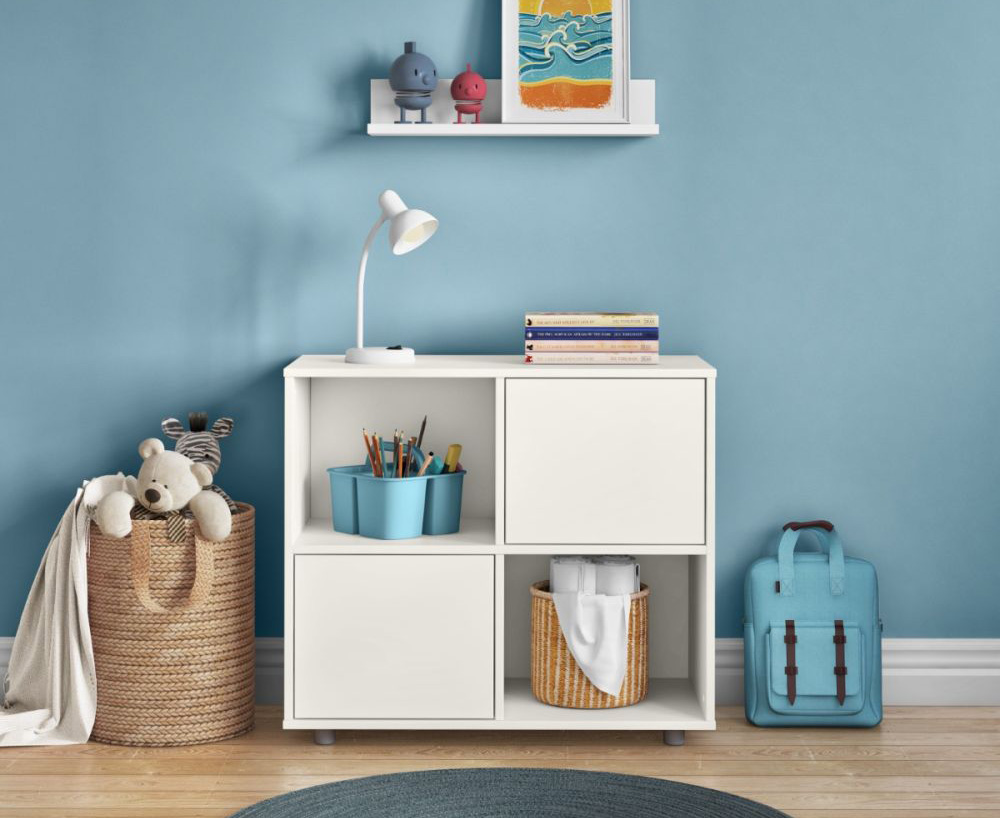
Bookcases, wardrobes, chests of drawers and shelving can all help keep things organised.
Choosing furniture with simple shapes and finishes that complement the bed will help create a coordinated look.
Use Baskets, Boxes and Open Shelving.
Not all storage needs to be hidden away.
Baskets and storage boxes can be useful for toys, soft furnishings and smaller belongings, while open shelving provides somewhere to display favourite books and decorative accessories.
Natural materials such as woven baskets can also introduce another layer of texture into the room.
Keep Everyday Essentials Within Easy Reach.
A well-organised bedroom should be practical for children, too.
Keep frequently used toys, books and belongings somewhere accessible so children can find what they need and gradually learn to put things away themselves.
The aim is not to create a perfectly tidy showroom, but a bedroom that feels comfortable, functional and easy to live in.
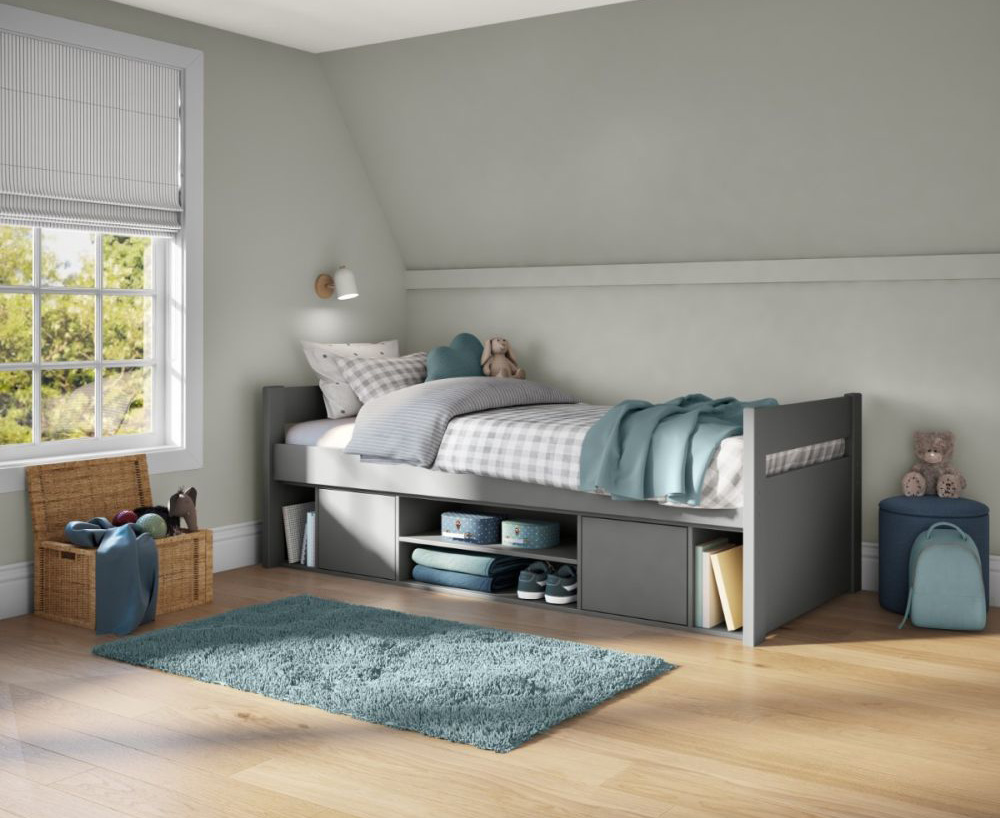
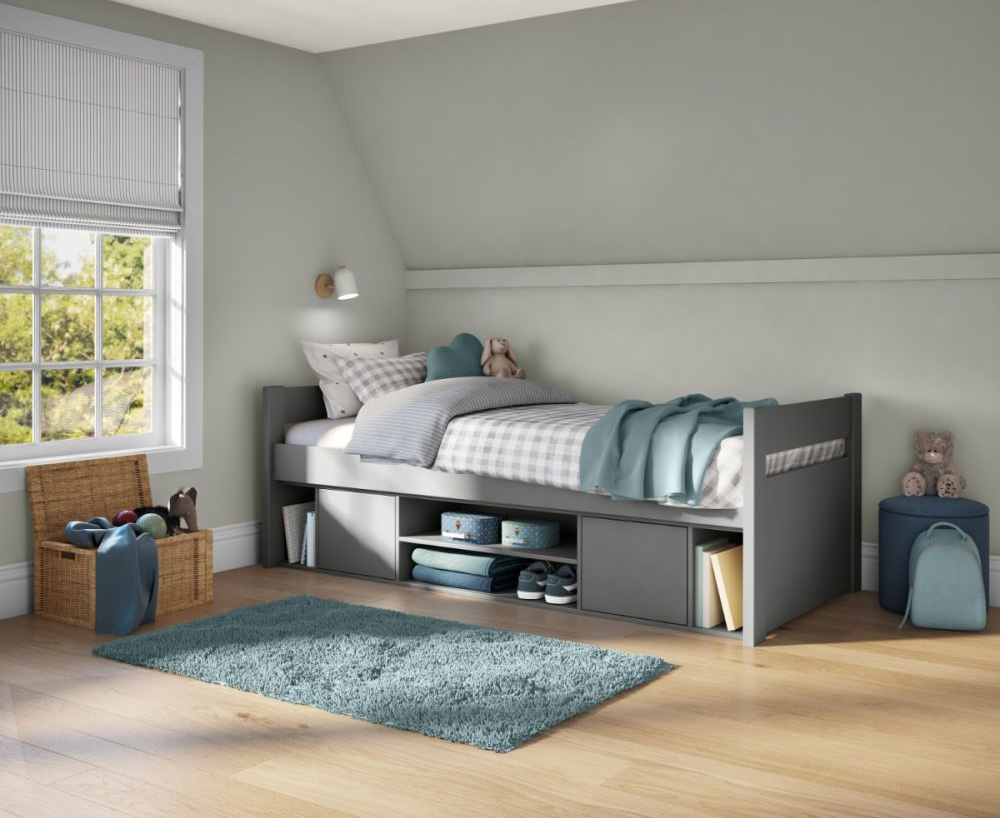
Create a Cosy Space for Sleep, Play and Relaxation.
Scandinavian design is not simply about how a room looks. It is also about how it feels and how people use it.
A child's bedroom needs to support a variety of activities throughout the day, from getting ready in the morning to relaxing before bedtime.
Create a Relaxing Sleep Environment.
A bedroom should feel comfortable and welcoming at the end of a busy day.
Choose soft bedding, gentle colours and comfortable textures to create a relaxing sleeping area.
Avoid overcrowding the space with unnecessary furniture or decoration, and think about how lighting can help create a calmer atmosphere in the evening.
Make Room for Play and Creativity.
Children need space to explore their interests, play and be creative.
A Scandinavian-inspired bedroom doesn't have to be overly minimal or perfectly organised. Leave room for toys, books, drawing and imaginative play.
If space is limited, multifunctional furniture such as mid sleepers and high sleepers can help create useful areas without taking up additional floor space.
Create a Little Reading or Relaxation Corner.
Even a small bedroom can have somewhere comfortable to sit and unwind.
A beanbag, soft floor cushion or cosy chair with a small bookcase can create a lovely reading corner.
Add a soft rug and a few favourite books to make it feel like a special little space of their own.
Use Lighting to Create a Warm and Welcoming Bedroom.
Lighting is sometimes overlooked when planning a children's bedroom, but it can make a significant difference to the overall atmosphere.
Scandinavian interiors often make the most of natural light, alongside carefully chosen artificial lighting to create warmth and comfort.
Make the Most of Natural Light.
Where possible, keep windows relatively clear so natural daylight can brighten the room.
Light curtains or blinds can provide privacy while allowing daylight to filter through.
Mirrors can also help reflect light around the room, making smaller bedrooms feel brighter.
Choose Warm and Comfortable Lighting.
Rather than relying on one central ceiling light, consider using a combination of lighting throughout the room.
A bedside lamp can provide softer light for bedtime reading, while a suitable desk lamp is useful for homework and other activities.
A gentle night light can also help younger children feel more comfortable at bedtime.
Keep Lighting Practical.
Think about the different ways your child uses their bedroom.
Good task lighting is important around a desk, while softer lighting can make reading and relaxing more comfortable.
Choosing simple lampshades and understated fittings will help maintain the Scandinavian look without compromising on practicality.
practical bedroom still needs to feel like your child's own space.
Add Personality with Thoughtful Accessories.
A Scandinavian-style children's bedroom should feel personal, not plain.
Once you have established the main colours and furniture, accessories are a lovely way to bring the room to life.
Display Favourite Books and Artwork.
Children's books, pictures and artwork can all become part of the bedroom design.
Simple picture frames, small shelves and carefully arranged displays can add character without making the walls feel overcrowded.
You could even create a small gallery wall featuring your child's favourite illustrations, family photographs or their own artwork.
Introduce Playful Patterns and Details.
Scandinavian design can be simple without being boring.
Geometric patterns, subtle stripes, stars, woodland prints and animal motifs can all work beautifully in children's bedrooms.
Use these details through bedding, cushions, rugs and accessories to add interest while keeping the overall look balanced.
Let Your Child's Personality Shine Through.
The best children's bedrooms are those that feel like their own.
Give your child opportunities to choose some of the finishing touches, whether that's their favourite bedding, a special picture or a few treasured possessions.
These details make the bedroom feel individual while allowing the main design to remain simple and timeless.
Bringing Your Scandinavian-Style Children's Bedroom Together.
Creating a Scandinavian-style bedroom for children doesn't mean following a strict set of design rules.
It's about finding the right balance between simplicity, comfort and practicality.
Start with a light and calming colour palette, choose furniture with clean lines and useful features, introduce natural textures and make sure there's room for the activities that matter most to your child.
Most importantly, remember that a child's bedroom should work for everyday family life. It needs to be somewhere they can sleep comfortably, play freely, study, relax and enjoy spending time.
At Stompa, our Norwegian heritage has influenced the way we think about children's bedroom design since 1960. We believe beautiful furniture should be practical, thoughtfully designed and made to support the way families live.
From our Nordic-inspired Arven collection to our wider range of children's beds and bedroom furniture, we bring together style and functionality to help make every bedroom work a little harder.
Because a beautifully designed children's bedroom should be about much more than just how it looks. It's about creating a space where childhood happens.
Frequently Asked Questions.
What is Scandinavian style for a child's bedroom?
Scandinavian style combines simplicity, functionality and comfort. In a child's bedroom, this often means light colours, clean-lined furniture, natural textures, practical storage and carefully chosen accessories that create a calm but welcoming space.
What colours work best in a Scandinavian children's bedroom?
White, cream, beige and soft grey are popular choices for Scandinavian interiors. These can be combined with muted shades such as sage green, dusty blue, soft pink and earthy tones to introduce colour without overwhelming the room.
How do you make a Scandinavian bedroom feel cosy?
Introduce soft furnishings, natural textures and warm lighting. Cosy rugs, comfortable bedding, cushions, throws and gentle bedside lighting can all help create a welcoming atmosphere while maintaining the simple Scandinavian aesthetic.
What furniture do you need for a Scandinavian-style children's bedroom?
Start with a well-designed bed, then consider the storage and furniture your child needs. A simple wardrobe, chest of drawers, bookcase or desk can help create a practical and coordinated bedroom. Choose pieces with clean lines and finishes that complement one another.
Can you create a Scandinavian-style bedroom in a small room?
Absolutely. Scandinavian design works particularly well in smaller bedrooms because it favours simplicity, practical furniture and uncluttered spaces. Consider a mid sleeper, high sleeper or bunk bed to make better use of vertical space, alongside light colours and clever storage solutions.
How can I add colour to a Scandinavian children's bedroom?
Keep larger areas such as walls and furniture relatively neutral, then introduce colour through bedding, cushions, rugs, artwork and accessories. Muted blues, greens, pinks and earthy shades work particularly well alongside white and natural wood tones.
Need more help creating a Scandinavian style bedroom?
We're always happy to help, and you are welcome to contact us to help you make the most of your child's bedroom. Alternatively, explore Stompa’s range of thoughtfully designed children’s beds and furniture, created to support growing families for years to come.